🇮🇷 Traditions of Iran
69 traditions from Iran, best known first, across 17 cities and towns.
Iranian traditions weave ancient Persian roots with Islamic practices, creating a culture of deep literary and artistic heritage. Daily life revolves around shared meals centered on rice and bread, while the year is marked by seasonal festivals like Nowruz that celebrate renewal and family bonds.
In Iran, daily life balances ancient customs with modern rhythms. People gather for meals featuring rice and bread, share poetry, and mark seasons with festivals. This blend of old and new shapes a unique cultural identity rooted in hospitality and art.
The year and its festivals
Nowruz marks the spring equinox and the start of the new year. Families clean their homes and set a table with seven symbolic items representing renewal. People visit relatives and exchange gifts during this time. Other celebrations include Yalda Night, when families stay up late to read poetry and eat fruits as the longest night of winter passes. These events strengthen community ties and honor seasonal changes.
Faith and ritual
Most Iranians follow Islam, which blends with pre-Islamic customs. Mosques serve as centers for prayer and community gatherings. Religious holidays involve specific prayers, charitable acts, and family meals. Some communities also observe Zoroastrian traditions, such as fire temples, reflecting the country's diverse spiritual history. Rituals often emphasize purity, reflection, and gratitude.
Birth and marriage rites
Births are celebrated with gatherings where friends and family offer blessings. Names are chosen carefully, often from literature or nature. Weddings involve elaborate ceremonies, including henna nights and traditional music. Couples exchange vows in front of loved ones, followed by feasts featuring sweets and savory dishes. Divorce is less common but handled through legal and religious frameworks.
The table and what is eaten
Meals center on rice, bread, meat, and fresh herbs. Dishes like ghormeh sabzi and fesenjan showcase complex flavors using saffron, dried limes, and nuts. Fruits such as pomegranates and apricots appear in both savory and sweet preparations. Hospitality demands offering food and tea to guests. Meals are shared communally, emphasizing generosity and connection.
Music and dance
Traditional music uses instruments like the tar, santur, and ney. Poets recite verses accompanied by melody, preserving stories of love and heroism. Dance varies by region, with some styles involving rhythmic footwork and others more fluid movements. Contemporary artists blend classical forms with modern influences, keeping the art form alive across generations.
The facts in this overview come from the Wikipedia article "Culture of Iran", written by its contributors and used under the CC BY-SA 4.0 licence. EveryParampara rewrote the text in its own words, with AI assistance, and compares every page with the article to make sure no passage is copied. It may be reused under the same CC BY-SA 4.0 licence with a link back.
The table in Iran
Foods and drinks by the moment they belong to.
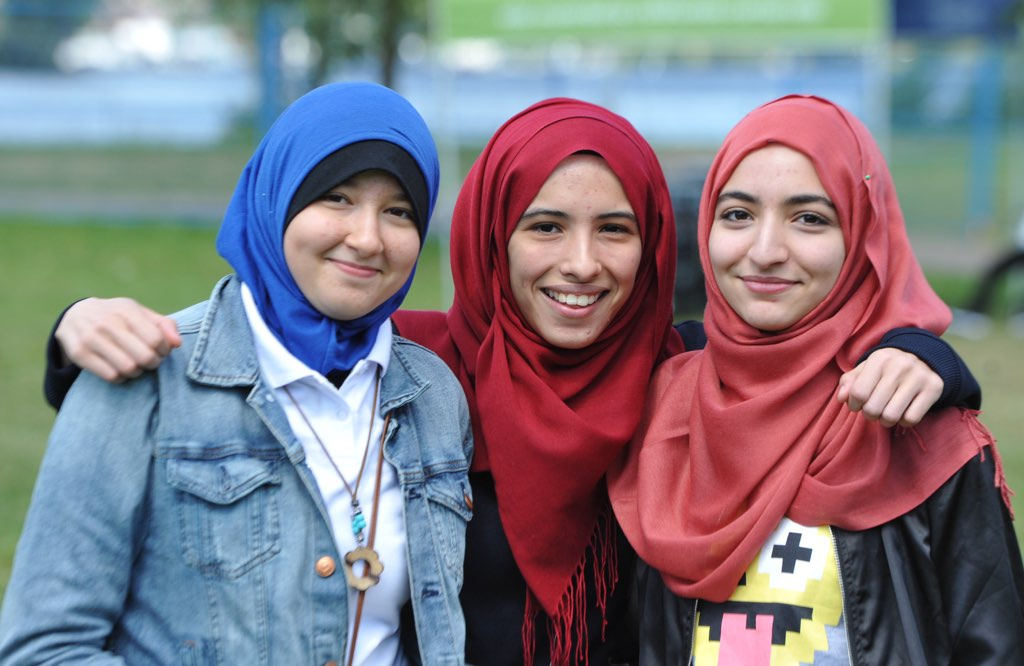 🇸🇦 Saudi Arabia and 2 moreHijabحجاب
A Muslim practice of modesty and dress, worn by women as a headscarf or more coveringDress
🇸🇦 Saudi Arabia and 2 moreHijabحجاب
A Muslim practice of modesty and dress, worn by women as a headscarf or more coveringDress
 🇪🇬 Egypt and 4 moreOudعُود (ʿūd)
A fretless, pear-shaped Middle Eastern lute, plucked with a plectrum called a rishaPerformance
🇪🇬 Egypt and 4 moreOudعُود (ʿūd)
A fretless, pear-shaped Middle Eastern lute, plucked with a plectrum called a rishaPerformance
 🇸🇬 Singapore and 3 moreMatchmaking
The custom of using a trusted intermediary to introduce partners for marriageRite of passage
🇸🇬 Singapore and 3 moreMatchmaking
The custom of using a trusted intermediary to introduce partners for marriageRite of passage
 🇮🇶 Kufa, Iraq and 5 moreArabic calligraphykhatt (خَطّ)
Artistic handwriting of the Arabic script, practiced as a sacred craft and a living visual tradition.Craft
🇮🇶 Kufa, Iraq and 5 moreArabic calligraphykhatt (خَطّ)
Artistic handwriting of the Arabic script, practiced as a sacred craft and a living visual tradition.Craft
 🇲🇱 Mali and 1 moreKhumsخُمْس
The Islamic practice of giving a one-fifth share of certain wealth to designated causesSpiritual
🇲🇱 Mali and 1 moreKhumsخُمْس
The Islamic practice of giving a one-fifth share of certain wealth to designated causesSpiritual
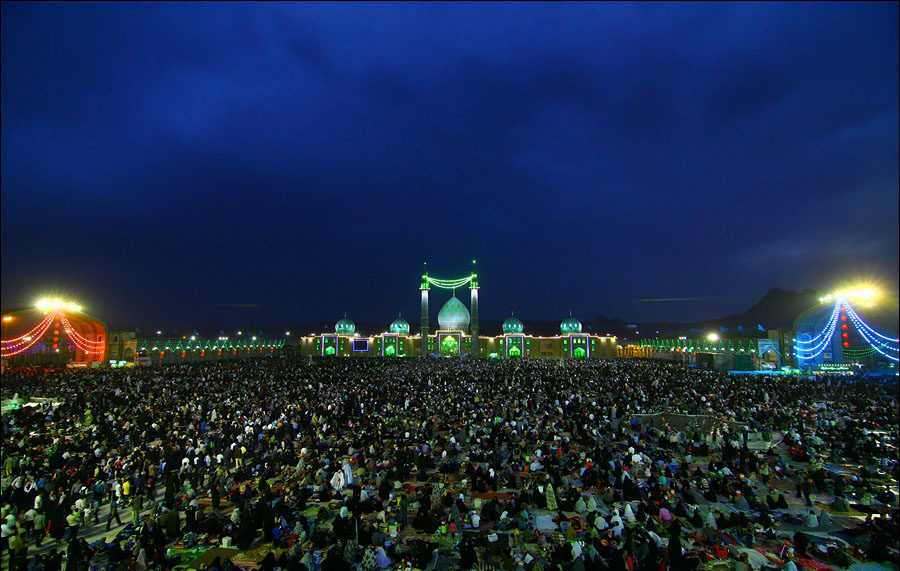 🇮🇷 Iran and 5 moreMid-Sha'banنصف شعبان
An Islamic night of prayer, forgiveness, ancestral remembrance and sweet offeringsSpiritual · Sweets given and shared
🇮🇷 Iran and 5 moreMid-Sha'banنصف شعبان
An Islamic night of prayer, forgiveness, ancestral remembrance and sweet offeringsSpiritual · Sweets given and shared
 🇮🇶 Karbala, Iraq and 5 moreMourning of Muharramعَزَاءُ ٱلْمُحَرَّمِ
Annual rites of grief and remembrance for Imam Husayn and his companionsSpiritual
🇮🇶 Karbala, Iraq and 5 moreMourning of Muharramعَزَاءُ ٱلْمُحَرَّمِ
Annual rites of grief and remembrance for Imam Husayn and his companionsSpiritual
 🇮🇶 Karbala, Iraq and 3 moreTasu'aتاسوعاء
A Shia day of remembrance before Ashura, honouring Abbas and the fallen at KarbalaSpiritual
🇮🇶 Karbala, Iraq and 3 moreTasu'aتاسوعاء
A Shia day of remembrance before Ashura, honouring Abbas and the fallen at KarbalaSpiritual
 🇮🇷 Iran and 5 moreFatimiyyaفاطمیة
A Shia period of mourning honoring the life and martyrdom of Lady FatimahSpiritual
🇮🇷 Iran and 5 moreFatimiyyaفاطمیة
A Shia period of mourning honoring the life and martyrdom of Lady FatimahSpiritual
 🇺🇦 Ukraine and 7 moreEgg decorating
Decorating eggs with dye, wax and carving, kept at Easter, Nowruz and springCraft
🇺🇦 Ukraine and 7 moreEgg decorating
Decorating eggs with dye, wax and carving, kept at Easter, Nowruz and springCraft
 🇸🇾 Syria and 6 moreKha b'Nisanܚܕ ܒܢܝܣܢ
A spring new year on 1 April, kept with parades, poems and dancing by AssyriansFestival
🇸🇾 Syria and 6 moreKha b'Nisanܚܕ ܒܢܝܣܢ
A spring new year on 1 April, kept with parades, poems and dancing by AssyriansFestival
 🇮🇳 Muhamma, India and 5 moreAkhiri Chahar Shambah
A day of bathing, prayer and charity on the last Wednesday of SafarSpiritual
🇮🇳 Muhamma, India and 5 moreAkhiri Chahar Shambah
A day of bathing, prayer and charity on the last Wednesday of SafarSpiritual
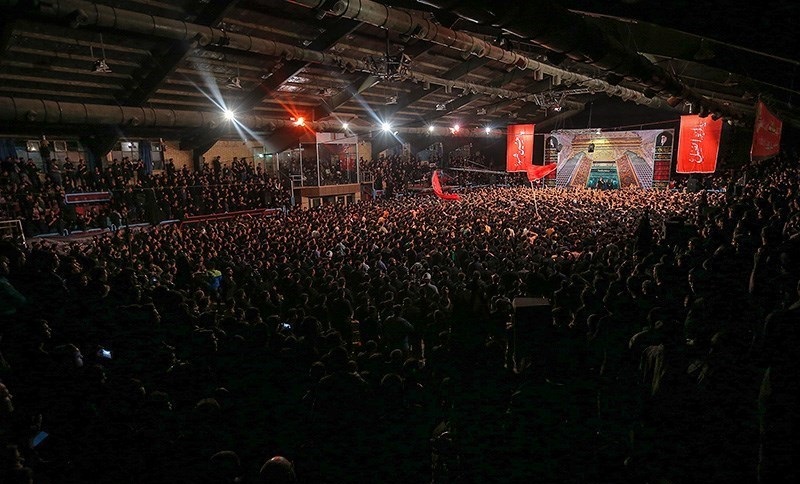 🇮🇷 Iran and 2 moreRowzeh-khani
A Shia Muslim ritual of reciting mourning narratives about the Battle of Karbala.Spiritual
🇮🇷 Iran and 1 moreArkhalig
A traditional fitted jacket worn by men and women in the Caucasus and IranDress
🇮🇷 Iran and 2 moreRowzeh-khani
A Shia Muslim ritual of reciting mourning narratives about the Battle of Karbala.Spiritual
🇮🇷 Iran and 1 moreArkhalig
A traditional fitted jacket worn by men and women in the Caucasus and IranDress
 🇮🇷 Tehran, Iran and 5 moreChadorchādar
A full-length open cloak that is pulled over the head and held shut by handDress
🇮🇷 Tehran, Iran and 5 moreChadorchādar
A full-length open cloak that is pulled over the head and held shut by handDress
 🇮🇷 Susa, IranSusa weddings
A mass royal wedding held in 324 BCE to unite Macedonian and Persian nobilityCeremony
🇮🇷 Susa, IranSusa weddings
A mass royal wedding held in 324 BCE to unite Macedonian and Persian nobilityCeremony
 🇮🇱 Israel and 1 morePurim costume
The Jewish custom of wearing masks and disguises during the festival of PurimDress
🇮🇱 Israel and 1 morePurim costume
The Jewish custom of wearing masks and disguises during the festival of PurimDress
 🇮🇷 Iran and 1 moreEidiyahعيدية
The holiday custom of presenting cash and gifts to children and relativesFestival
🇮🇷 Kashan, IranOmar Koshanعمرکشان
A yearly carnival in Iran where social roles reverse to honor Fatima al-Zahra and remember historical figures.Festival
🇮🇷 Iran and 1 moreEidiyahعيدية
The holiday custom of presenting cash and gifts to children and relativesFestival
🇮🇷 Kashan, IranOmar Koshanعمرکشان
A yearly carnival in Iran where social roles reverse to honor Fatima al-Zahra and remember historical figures.Festival
 🇮🇱 Tel Aviv, Israel and 5 moreTel Aviv International Student Film Festival
A week-long gathering in June where student filmmakers from around the world screen their work, attend workshops, and mePerformance
🇮🇱 Tel Aviv, Israel and 5 moreTel Aviv International Student Film Festival
A week-long gathering in June where student filmmakers from around the world screen their work, attend workshops, and mePerformance
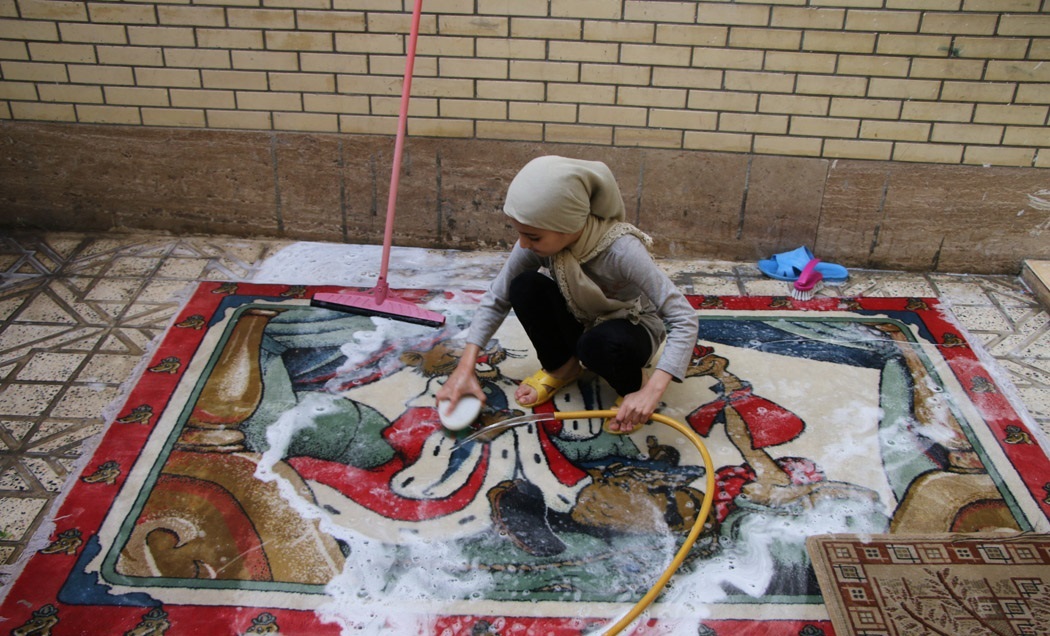 🇮🇷 IranKhāne-takānīخانهتکانی
A spring cleaning ritual in Iran that prepares homes for the Norouz new year.Festival
🇮🇷 IranKhāne-takānīخانهتکانی
A spring cleaning ritual in Iran that prepares homes for the Norouz new year.Festival
Photo credits on this page
The small pictures above come from Wikimedia Commons under free licences. Some are cropped to fit.
- Mid-Sha'ban: sayyed shahab-o- din vajedi, CC BY 4.0, source
- Hijab: Sophie Barat, CC BY 2.0, source
- Oud: Creator:Manol (Emmanuel Venios), CC0, source
- Egg decorating: L.Kenzel, CC BY 3.0, source
- Kha b'Nisan: Athrakado, CC BY-SA 4.0, source
- Akhiri Chahar Shambah: Hans Kyoto, CC BY-SA 4.0, source
- Chador: Marius Arnesen, CC BY-SA 2.0, source
- Matchmaking: Pavel Fedotov, Public domain, source
- Arabic calligraphy: Aieman Khimji, CC BY 2.0, source
- Khums: 'Uthman ibn Husayn al-warraq (the copyist), Public domain, source
- Tasu'a: Alirajabzadeh49, CC BY 4.0, source
- Mourning of Muharram: Naser Jafari, CC BY 4.0, source
- Fatimiyya: Mohsen Ataei, CC BY 4.0, source
- Rowzeh-khani: Amir Hesaminejad, CC BY 4.0, source
- Susa weddings: Unknown author, Public domain, source
- Purim costume: Flavio~, CC BY 2.0, source
- Eidiyah: Rahbar Emamdadi, CC BY 4.0, source
- Tel Aviv International Student Film Festival: Adam4896, CC BY-SA 4.0, source
- Khāne-takānī: Niloofar Rakhshan, CC BY 4.0, source