🇵🇭 Traditions of the Philippines
77 traditions from the Philippines, best known first, across 34 cities and towns.
Filipino traditions blend ancient Austronesian roots with centuries of Spanish and American influence, creating a unique cultural identity. Life revolves around strong family ties, communal festivals, and a cuisine that mixes indigenous ingredients with foreign techniques.
The Philippines is an archipelago where geography shapes culture. Over 182 ethnic groups live across thousands of islands. Their shared identity emerged from history and trade. People mark time through fiestas and religious rites. The table features rice, sour broths, and roasted meats. Music, dance, and hospitality reflect a warm community spirit. This guide explores how these living traditions endure today.
Time and festivals
The year turns with Catholic feasts and harvest celebrations. Fiestas honor patron saints and bring whole barangays together. Communities share food and music in the streets. These events reinforce social bonds and local pride. Pre-colonial cycles also remain visible in agricultural rituals. Rice planting and harvesting still follow seasonal rhythms. People offer thanks for good yields and safe travels. The calendar blends Christian dates with older customs.
Faith and ritual
Most Filipinos practice Roman Catholicism, a legacy of Spanish rule. Churches serve as centers for prayer and community life. Processions and novenas mark important liturgical seasons. Indigenous groups maintain their own spiritual practices. Anito beliefs persist among some communities in the highlands. Moro peoples follow Islam with distinct regional customs. Rituals often combine prayer, song, and communal dining. Faith provides comfort and structure in daily life.
Family and life stages
Family remains the core of Filipino society. Extended relatives often live nearby or participate closely in decisions. Births are celebrated with naming ceremonies and gifts. Weddings involve large gatherings and elaborate feasts. Death brings the community together for mourning and remembrance. Respect for elders is shown through specific gestures and language. Children learn values by observing older generations. Kinship networks provide support during hard times.
The table and food
Rice sits at the center of every meal. Dishes vary by region but share common flavors. Sour broths like sinigang use tamarind or guava. Stews such as adobo use vinegar and soy sauce. Roasted pork appears at celebrations and special occasions. Noodles called pancit symbolize long life at birthdays. Spring rolls known as lumpia are popular snacks. Meals are often shared from common plates. Hospitality means offering food to any guest who arrives.
Music and arts
Traditional music uses gongs, flutes, and string instruments. Epic chants preserve history and mythology in oral form. Dance movements often mimic nature or daily tasks. Modern genres blend Western styles with local rhythms. Handicrafts include weaving, wood carving, and pottery. Designs reflect ancestral patterns and regional identities. Artists work in both traditional media and contemporary forms. Cultural expression strengthens community pride and continuity.
The facts in this overview come from the Wikipedia article "Culture of the Philippines", written by its contributors and used under the CC BY-SA 4.0 licence. EveryParampara rewrote the text in its own words, with AI assistance, and compares every page with the article to make sure no passage is copied. It may be reused under the same CC BY-SA 4.0 licence with a link back.
The table in the Philippines
Foods and drinks by the moment they belong to.
Cities, towns and villages of the Philippines
 🇦🇺 Australia and 5 moreGood Friday
A solemn Christian holy day commemorating the crucifixion and death of Jesus Christ.Spiritual · Fasting and breaking the fast
🇦🇺 Australia and 5 moreGood Friday
A solemn Christian holy day commemorating the crucifixion and death of Jesus Christ.Spiritual · Fasting and breaking the fast
 🇵🇭 Philippines and 5 moreHoly WeekἉγία καὶ Μεγάλη Ἑβδομάς
The solemn seven days leading to Easter, recalling the final week and Passion of JesusSpiritual · Fasting and breaking the fast
🇵🇭 Philippines and 5 moreHoly WeekἉγία καὶ Μεγάλη Ἑβδομάς
The solemn seven days leading to Easter, recalling the final week and Passion of JesusSpiritual · Fasting and breaking the fast
 🇵🇭 Marinduque, PhilippinesMoriones Festival
A Holy Week reenactment in Marinduque where masked participants search for the Roman centurion Longinus.Festival
🇵🇭 Marinduque, PhilippinesMoriones Festival
A Holy Week reenactment in Marinduque where masked participants search for the Roman centurion Longinus.Festival
 🇵🇸 Jerusalem, Palestine and 2 moreStations of the CrossVia Crucis
A Christian prayer journey following fourteen moments of the Passion of JesusSpiritual
🇵🇸 Jerusalem, Palestine and 2 moreStations of the CrossVia Crucis
A Christian prayer journey following fourteen moments of the Passion of JesusSpiritual
 🇵🇭 Manila, Philippines and 1 moreSimbang Gabi
A nine-day series of early morning Masses held in the Philippines to prepare for Christmas.Festival
🇵🇭 Manila, Philippines and 1 moreSimbang Gabi
A nine-day series of early morning Masses held in the Philippines to prepare for Christmas.Festival
 🇵🇭 PhilippinesPandanggo
A lively Philippine folk dance of quick steps, clapping and balanced lightsPerformance
🇵🇭 PhilippinesPandanggo
A lively Philippine folk dance of quick steps, clapping and balanced lightsPerformance
 🇵🇭 Manila, Philippines and 5 moreNovena
A nine-day Christian prayer tradition for petitions, feasts, or mourning.Spiritual
🇵🇭 Manila, Philippines and 5 moreNovena
A nine-day Christian prayer tradition for petitions, feasts, or mourning.Spiritual
 🇵🇭 Manila, PhilippinesPasyon
A Tagalog epic of Christ's passion, chanted without a break during Holy WeekSpiritual
🇵🇭 Manila, PhilippinesPasyon
A Tagalog epic of Christ's passion, chanted without a break during Holy WeekSpiritual
 🇹🇭 Thailand and 7 moreSpirit house
A small roofed shrine on a pillar, kept in homes and villages across Southeast Asia to honour protective spirits.Spiritual
🇹🇭 Thailand and 7 moreSpirit house
A small roofed shrine on a pillar, kept in homes and villages across Southeast Asia to honour protective spirits.Spiritual
 🇲🇽 Mexico City, Mexico and 2 moreOur Lady of GuadalupeNuestra Señora de Guadalupe
A Mexican devotion to Mary, with a feast on 12 December and an image kept on a cloakSpiritual
🇲🇽 Mexico City, Mexico and 2 moreOur Lady of GuadalupeNuestra Señora de Guadalupe
A Mexican devotion to Mary, with a feast on 12 December and an image kept on a cloakSpiritual
 🇨🇳 China and 5 moreQingming Festival清明节
A spring custom of sweeping family graves and honouring ancestors across East Asia.Spiritual
🇨🇳 China and 5 moreQingming Festival清明节
A spring custom of sweeping family graves and honouring ancestors across East Asia.Spiritual
 🇨🇳 China and 5 moreGhost Festival中元節 / 中元节 (Zhōngyuán jié)
A full-moon night in the seventh lunar month for feeding ghosts and guiding souls homeSpiritual
🇨🇳 China and 5 moreGhost Festival中元節 / 中元节 (Zhōngyuán jié)
A full-moon night in the seventh lunar month for feeding ghosts and guiding souls homeSpiritual
 🇪🇸 Spain and 5 moreMidnight MassMissa in nocte
The first service of Christmas, kept late on Christmas Eve in many Western churchesSpiritual
🇪🇸 Spain and 5 moreMidnight MassMissa in nocte
The first service of Christmas, kept late on Christmas Eve in many Western churchesSpiritual
 🇵🇭 Cebu City, Philippines and 4 moreSinulog Festival
An annual Philippine dance festival and Catholic devotion honouring the Santo NiñoFestival
🇵🇭 Cebu City, Philippines and 4 moreSinulog Festival
An annual Philippine dance festival and Catholic devotion honouring the Santo NiñoFestival
 🇨🇳 China and 5 moreChinese New Year's Evechúxī
A reunion day for ethnic Chinese families before the Lunar New Year, marked by feasts, rituals, and staying up late.Festival · Dinner
🇨🇳 China and 5 moreChinese New Year's Evechúxī
A reunion day for ethnic Chinese families before the Lunar New Year, marked by feasts, rituals, and staying up late.Festival · Dinner
 🇲🇽 Mexico and 7 moreLas Posadas
A nine-night Christmas pageant remembering Mary and Joseph seeking shelterSpiritual · Feasts and festival meals
🇲🇽 Mexico and 7 moreLas Posadas
A nine-night Christmas pageant remembering Mary and Joseph seeking shelterSpiritual · Feasts and festival meals
 🇵🇭 Kalibo, PhilippinesAti-Atihan
A week of drumbeats, street dancing, and devotion to the Infant Jesus in AklanFestival
🇵🇭 Kalibo, PhilippinesAti-Atihan
A week of drumbeats, street dancing, and devotion to the Infant Jesus in AklanFestival
 🇵🇭 Manila, PhilippinesHoly Week in the PhilippinesMahal na Araw
An eight-day observance of the Passion, death, and resurrection of Christ in the Philippines.Spiritual
🇵🇭 Manila, PhilippinesHoly Week in the PhilippinesMahal na Araw
An eight-day observance of the Passion, death, and resurrection of Christ in the Philippines.Spiritual
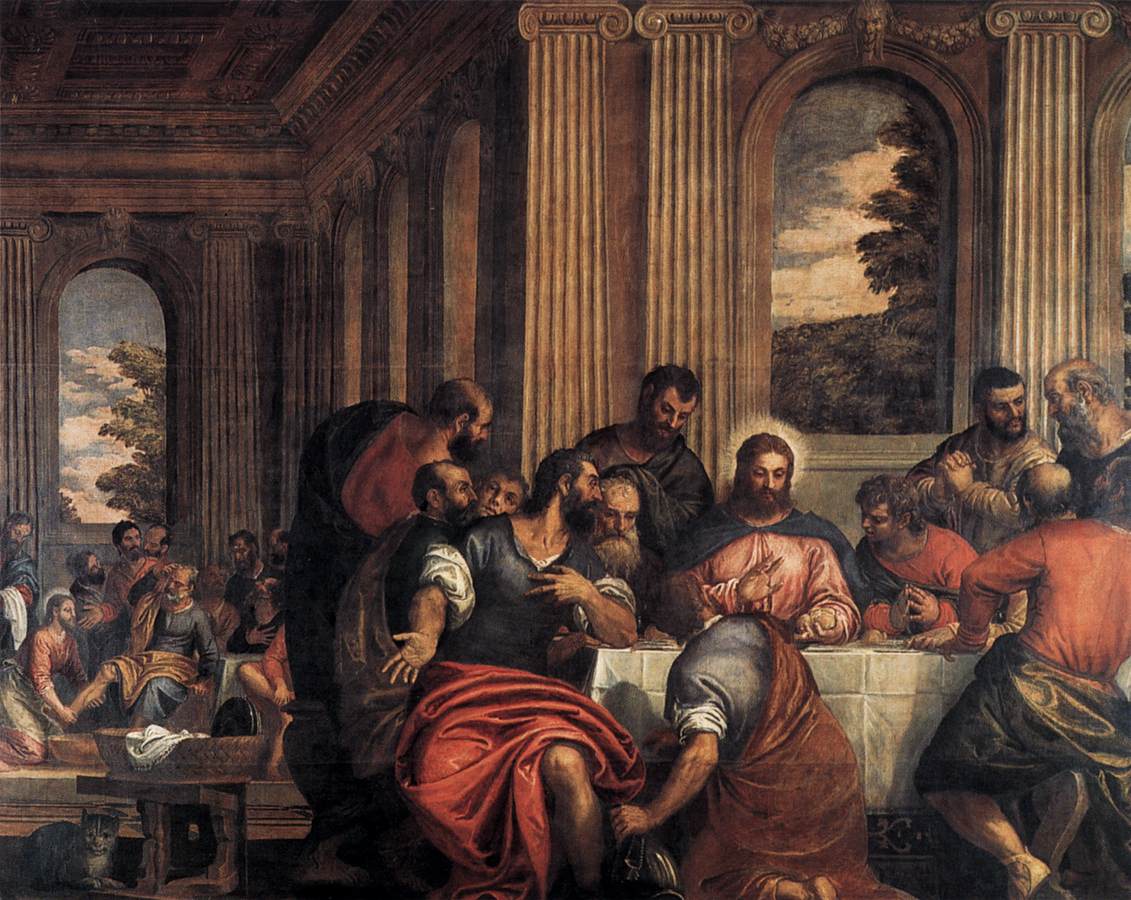 🇵🇭 Philippines and 5 moreMaundy ThursdayDies Cenae Domini
A Christian feast marking the start of Easter observances with foot washing and communion services.Spiritual
🇵🇭 Philippines and 5 moreMaundy ThursdayDies Cenae Domini
A Christian feast marking the start of Easter observances with foot washing and communion services.Spiritual
 🇯🇵 Tokyo, Japan and 3 moreObonお盆 (Obon)
A Japanese Buddhist festival honoring the spirits of ancestors through dance, light, and family reunion.Festival
🇯🇵 Tokyo, Japan and 3 moreObonお盆 (Obon)
A Japanese Buddhist festival honoring the spirits of ancestors through dance, light, and family reunion.Festival
 🇯🇵 Japan and 3 moreBodhi Day成道会
A Buddhist observance marking the enlightenment of Gautama Buddha under the Bodhi TreeSpiritual
🇯🇵 Japan and 3 moreBodhi Day成道会
A Buddhist observance marking the enlightenment of Gautama Buddha under the Bodhi TreeSpiritual
 🇪🇸 Spain and 2 moreLas arras
Thirteen gold coins, blessed at a wedding and given by the groom to the brideRite of passage
🇪🇸 Spain and 2 moreLas arras
Thirteen gold coins, blessed at a wedding and given by the groom to the brideRite of passage
 🇮🇹 Rome, Italy and 5 moreAll Souls' Day
A Christian observance on 2 November for prayer and remembrance of those who have died.Spiritual
🇮🇹 Rome, Italy and 5 moreAll Souls' Day
A Christian observance on 2 November for prayer and remembrance of those who have died.Spiritual
 🇵🇭 Manila, PhilippinesFlores de Mayo
A month-long Philippine festival of daily Marian prayers, flower offerings and pageantsFestival · Tea-time and snacking customs
🇵🇭 Manila, PhilippinesFlores de Mayo
A month-long Philippine festival of daily Marian prayers, flower offerings and pageantsFestival · Tea-time and snacking customs
 🇵🇭 Iloilo City, PhilippinesDinagyang FestivalDinágyang
An annual festival of drumming, street dance and devotion to the Santo Niño in Iloilo.Festival
🇪🇸 Spain and 5 moreCompadre
A ritual kinship made at a child's baptism, binding parents and godparents for lifeSpiritual
🇵🇭 Iloilo City, PhilippinesDinagyang FestivalDinágyang
An annual festival of drumming, street dance and devotion to the Santo Niño in Iloilo.Festival
🇪🇸 Spain and 5 moreCompadre
A ritual kinship made at a child's baptism, binding parents and godparents for lifeSpiritual
 🇵🇭 Philippines and 3 moreManoPagmamano
A Filipino greeting where a younger person bows and asks an elder for a blessingEtiquette
🇵🇭 Philippines and 3 moreManoPagmamano
A Filipino greeting where a younger person bows and asks an elder for a blessingEtiquette
 🇮🇹 Naples, Italy and 5 moreNativity scene
A seasonal set of figures showing Jesus's birth, put up by Christians at ChristmasFestival
🇮🇹 Naples, Italy and 5 moreNativity scene
A seasonal set of figures showing Jesus's birth, put up by Christians at ChristmasFestival
 🇲🇽 Mexico and 2 moreWedding cord
A loop of white cord laid over a kneeling bride and groom in Catholic weddingsRite of passage
🇲🇽 Mexico and 2 moreWedding cord
A loop of white cord laid over a kneeling bride and groom in Catholic weddingsRite of passage
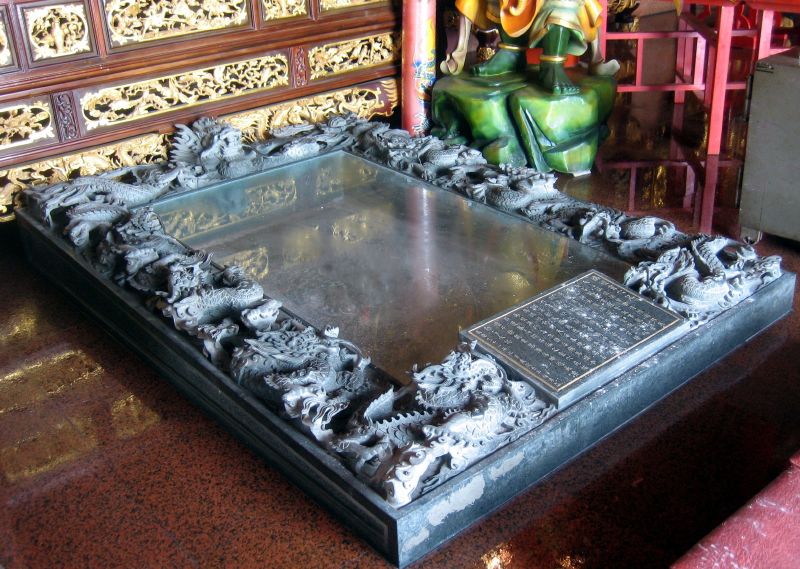 🇨🇳 Meizhou Island, China and 5 moreMazu媽祖
A sea goddess of the Chinese coast, asked for calm water and a safe returnSpiritual
🇨🇳 Meizhou Island, China and 5 moreMazu媽祖
A sea goddess of the Chinese coast, asked for calm water and a safe returnSpiritual
 🇮🇳 India and 5 moreNativity of Mary
A Christian feast day honouring the birth of Mary, the mother of JesusSpiritual · Lunch
🇮🇳 India and 5 moreNativity of Mary
A Christian feast day honouring the birth of Mary, the mother of JesusSpiritual · Lunch
 🇵🇭 Philippines and 5 moreFirst Communion
A Christian rite of passage marking a person's initial reception of the Eucharist.Rite of passage
🇵🇭 Philippines and 5 moreFirst Communion
A Christian rite of passage marking a person's initial reception of the Eucharist.Rite of passage
 🇪🇸 Spain and 4 moreDay of the Holy InnocentsDía de los Santos Inocentes
A 28 December day of pranks and fake news, kept in the Spanish-speaking worldFestival
🇪🇸 Spain and 4 moreDay of the Holy InnocentsDía de los Santos Inocentes
A 28 December day of pranks and fake news, kept in the Spanish-speaking worldFestival
 🇮🇹 Rome, Italy and 7 moreSaint Joseph's Day
A 19 March feast honouring Jesus' earthly father, kept with altars and processionsSpiritual · Feasts and festival meals
🇮🇹 Rome, Italy and 7 moreSaint Joseph's Day
A 19 March feast honouring Jesus' earthly father, kept with altars and processionsSpiritual · Feasts and festival meals
 🇮🇹 Italy and 5 morePatronal festivalFiesta patronal
A town's yearly feast for its patron saint, with processions, a fair and shared foodFestival
🇮🇹 Italy and 5 morePatronal festivalFiesta patronal
A town's yearly feast for its patron saint, with processions, a fair and shared foodFestival
 🇮🇹 Turin, Italy and 5 moreMary Help of ChristiansSancta Maria Auxilium Christianorum
A Christian feast and devotion honouring Mary as a protector, observed on 24 MaySpiritual
🇮🇹 Turin, Italy and 5 moreMary Help of ChristiansSancta Maria Auxilium Christianorum
A Christian feast and devotion honouring Mary as a protector, observed on 24 MaySpiritual
 🇵🇭 PhilippinesBuklog
A thanksgiving ritual of the Subanen people in the Philippines, honoring spirits through offerings and dance.Spiritual
🇵🇭 PhilippinesBuklog
A thanksgiving ritual of the Subanen people in the Philippines, honoring spirits through offerings and dance.Spiritual
 🇵🇭 Philippines and 1 moreMass of the Lord's Supper
An evening liturgy marking the start of the Easter Triduum and recalling Jesus' final meal with his followers.Spiritual
🇵🇭 Philippines and 1 moreMass of the Lord's Supper
An evening liturgy marking the start of the Easter Triduum and recalling Jesus' final meal with his followers.Spiritual
 🇮🇹 Italy and 2 moreFeast of Saint Thomas Aquinas
An annual Christian feast day honouring the medieval theologian Saint Thomas AquinasSpiritual
🇮🇹 Italy and 2 moreFeast of Saint Thomas Aquinas
An annual Christian feast day honouring the medieval theologian Saint Thomas AquinasSpiritual
 🇪🇸 Madrid, Spain and 4 moreFeast of Saint Isidore the LaborerFiestas de San Isidro Labrador
A May festival honoring the patron saint of farmers, marked by processions and harvest gratitude in Spain and former colFestival · Feasts and festival meals
🇪🇸 Madrid, Spain and 4 moreFeast of Saint Isidore the LaborerFiestas de San Isidro Labrador
A May festival honoring the patron saint of farmers, marked by processions and harvest gratitude in Spain and former colFestival · Feasts and festival meals
 🇨🇳 Quanzhou, China and 5 moreNanguan南管
An introspective chamber music tradition from southern Fujian and Taiwan.Performance
🇨🇳 Quanzhou, China and 5 moreNanguan南管
An introspective chamber music tradition from southern Fujian and Taiwan.Performance
Photo credits on this page
The small pictures above come from Wikimedia Commons under free licences. Some are cropped to fit.
- Buklog: Theglennpalacio, CC BY-SA 4.0, source
- Good Friday: Bellina 09, CC BY-SA 4.0, source
- Mary Help of Christians: Didier Descouens, CC BY-SA 4.0, source
- Our Lady of Guadalupe: Sebastian Wallroth, CC BY 3.0, source
- Ghost Festival: Chong Fat, CC BY-SA 3.0, source
- Holy Week: Anonymous ( Maasland ) Unknown author, Public domain, source
- Qingming Festival: Jacklee ., CC BY-SA 3.0, source
- Mass of the Lord's Supper: Leonardo da Vinci, Public domain, source
- Sinulog Festival: Herbert Kikoy, CC BY-SA 4.0, source
- Chinese New Year's Eve: Mickey Đại Phát, CC BY-SA 4.0, source
- Las Posadas: Yavidaxiu, CC BY 3.0, source
- Ati-Atihan: Bernardo "Berniemack" Arellano III, CC BY-SA 4.0, source
- Pasyon: Judgefloro, CC0, source
- Bodhi Day: Shirazibustan, CC BY-SA 4.0, source
- Flores de Mayo: Markytour777, CC BY-SA 4.0, source
- Dinagyang Festival: Bernardo 'Berniemack' Arellano III, CC BY 3.0, source
- Holy Week in the Philippines: LMP 2001, CC BY-SA 4.0, source
- Maundy Thursday: Benedetto Caliari, Public domain, source
- Obon: Batholith, Public domain, source
- All Souls' Day: William-Adolphe Bouguereau, Public domain, source
- Pandanggo: John Charlton, CC BY-SA 4.0, source
- Midnight Mass: Atleett, CC0, source
- Mano: TOTO LOZANO/PRESIDENTIAL PHOTO, Public domain, source
- Simbang Gabi: Avito C. Dalan for the Philippine News Agency, Public domain, source
- Spirit house: Chainwit., CC BY-SA 4.0, source
- Novena: Catedrales e Iglesias/Cathedrals and Churches, CC BY 2.0, source
- Stations of the Cross: Tango7174, CC BY-SA 4.0, source
- Las arras: penny, CC BY 2.0, source
- Nativity scene: Yvonne Bentele, CC BY-SA 4.0, source
- Wedding cord: Phil! Gold, CC BY-SA 2.0, source
- Mazu: Prince Roy, CC BY-SA 3.0, source
- Moriones Festival: EMMAN A. FORONDA, CC BY-SA 4.0, source
- Day of the Holy Innocents: Attributed to Pieter Brueghel the Younger, Public domain, source
- Patronal festival: Ranieljosecastaneda, CC BY-SA 4.0, source
- Saint Joseph's Day: Guido Reni, Public domain, source
- Nativity of Mary: Giotto, Public domain, source
- First Communion: Fortepan adományozó URBÁN TAMÁS, CC BY-SA 3.0, source
- Feast of Saint Thomas Aquinas: Unknown author, CC BY-SA 4.0, source
- Feast of Saint Isidore the Laborer: Ángel Lizcano Monedero, Public domain, source
- Nanguan: Jnzl's Public Domain Photos, Public domain, source