🇺🇸 Traditions of the United States
286 traditions from the United States, best known first, across 60 cities and towns.
American traditions grow from centuries of migration, Indigenous farming practices, and a legal framework built on personal liberty. People mark time through shared meals, local festivals, and musical forms that travel across generations. The most distinctive feature is how regional customs adapt while keeping core values of open expression and community cooperation.
Daily life across the nation blends inherited customs with new arrivals. Families gather around tables shaped by Indigenous crops and immigrant recipes. Communities celebrate through music, sports, and seasonal gatherings that honor both local history and national ideals. These practices shift with each generation yet remain anchored in a shared belief in personal freedom and mutual respect.
The family table
Meals often center on ingredients first cultivated by Native peoples, such as corn, beans, and squash grown together in companion plots. Wild game and preserved meats once sustained early settlers, while later waves of immigrants introduced cooking techniques from Europe, Africa, and Asia. Modern households still prepare roasted turkey during autumn harvest celebrations and winter holidays. Urban centers favor quick service restaurants, yet regional kitchens preserve distinct styles like Cajun stews or coastal seafood boils. Cooking methods continue to evolve as families adapt old recipes to contemporary diets.
Faith and belief
Most people identify with Protestant or Catholic traditions, though a growing number prefer secular worldviews. Constitutional guarantees protect religious practice and public speech, allowing diverse congregations to operate openly. Local churches, mosques, synagogues, and independent meeting houses host weekly services and community outreach programs. Spiritual observances often align with civic holidays, blending prayer with public reflection. Interfaith dialogue remains common in neighborhoods where multiple backgrounds coexist.
Music and shared arts
Musical expression serves as a primary cultural bridge across different regions. Genres born in American soil, including jazz, gospel, country, and hip hop, spread worldwide while retaining local performance styles. Amateur bands play at town squares, high school gyms, and neighborhood festivals. Visual artists and filmmakers draw inspiration from both rural landscapes and metropolitan streets. Public libraries and community colleges frequently sponsor exhibitions and workshops that invite residents to share creative work without commercial pressure.
Regional life and custom
Geographic distance creates noticeable variations in daily routines and social expectations. Southern towns often emphasize porch conversations and slow-paced gatherings, while Western cities prioritize outdoor recreation and informal networking. Coastal areas maintain fishing schedules tied to tides, and Midwestern counties organize county fairs around harvest cycles. Language accents, clothing choices, and greeting customs shift noticeably when crossing state lines. These regional identities persist despite nationwide media exposure and interstate travel.
Change and continuity
Immigration continues to reshape neighborhood demographics and introduce new culinary and linguistic patterns. Indigenous groups actively revitalize ancestral languages and governance models within federally recognized territories. Younger generations balance digital connectivity with participation in local volunteer networks and youth sports leagues. Traditional crafts survive through apprenticeship programs and heritage museums. Each wave of newcomers adds fresh perspectives while adopting established civic rituals that reinforce shared national identity.
The facts in this overview come from the Wikipedia article "Culture of the United States", written by its contributors and used under the CC BY-SA 4.0 licence. EveryParampara rewrote the text in its own words, with AI assistance, and compares every page with the article to make sure no passage is copied. It may be reused under the same CC BY-SA 4.0 licence with a link back.
The table in the United States
Foods and drinks by the moment they belong to.
Cities, towns and villages of the United States
 🇺🇸 United States and 1 moreBarn raising
A communal tradition where neighbours assemble to erect a farm barn in a few daysCraft · Lunch
🇺🇸 United States and 1 moreBarn raising
A communal tradition where neighbours assemble to erect a farm barn in a few daysCraft · Lunch
 🇲🇽 Mexico and 1 moreTamalada
A gathering where tamales are the main dish or a communal tamale-making party in Mexican and Hispanic cultures.Festival · Lunch
🇲🇽 Mexico and 1 moreTamalada
A gathering where tamales are the main dish or a communal tamale-making party in Mexican and Hispanic cultures.Festival · Lunch
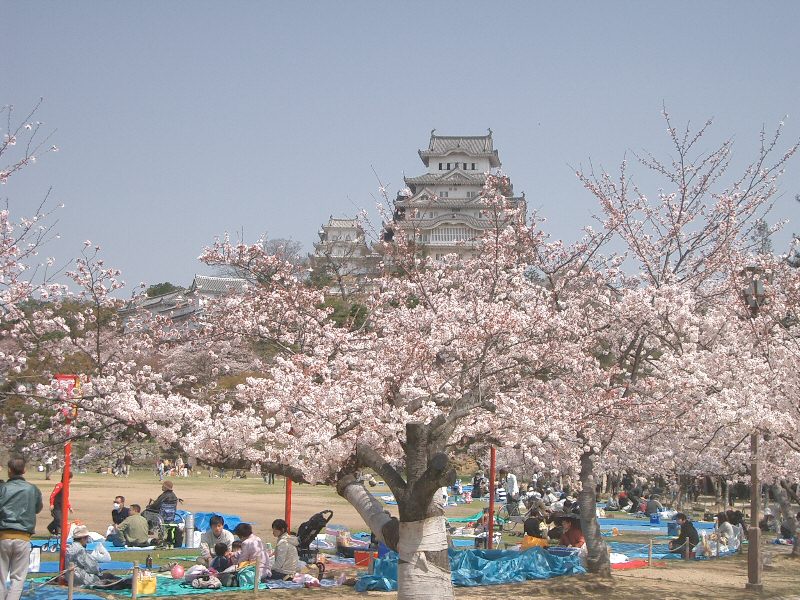 🇯🇵 Kyoto, Japan and 4 moreHanami花見
A Japanese spring custom of gathering under blooming cherry trees to eat, drink, and celebrate the fleeting beauty of thFestival · Lunch
🇯🇵 Kyoto, Japan and 4 moreHanami花見
A Japanese spring custom of gathering under blooming cherry trees to eat, drink, and celebrate the fleeting beauty of thFestival · Lunch
 🇲🇽 Tijuana, Mexico and 1 moreBirria
A rich, seasoned meat stew from western Mexico, cooked for gatherings and holidaysTable custom · Feasts and festival meals
🇲🇽 Tijuana, Mexico and 1 moreBirria
A rich, seasoned meat stew from western Mexico, cooked for gatherings and holidaysTable custom · Feasts and festival meals
 🇻🇳 Hanoi, Vietnam and 5 morePhophở
A Vietnamese noodle soup of broth and rice noodles, served hot with beef or chicken.Table custom · Breakfast
🇻🇳 Hanoi, Vietnam and 5 morePhophở
A Vietnamese noodle soup of broth and rice noodles, served hot with beef or chicken.Table custom · Breakfast
 🇨🇳 China and 5 moreYum cha飲茶
A Cantonese breakfast of dim sum and tea, eaten slowly in large groupsTable custom · Breakfast
🇨🇳 China and 5 moreYum cha飲茶
A Cantonese breakfast of dim sum and tea, eaten slowly in large groupsTable custom · Breakfast
Photo credits on this page
The small pictures above come from Wikimedia Commons under free licences. Some are cropped to fit.
- Hanami: Unknown author, CC BY-SA 3.0, source
- Birria: Equipo 9mkt, CC BY-SA 3.0, source
- Barn raising: Alexander W. Galbraith, Public domain, source
- Pho: Phương Huy, CC BY-SA 4.0, source
- Yum cha: Infomofo, CC BY-SA 2.0, source
- Tamalada: Tania Solá (WMMX), CC BY-SA 4.0, source