🇨🇳 Traditions of China
148 traditions from China, best known first, across 60 cities and towns.
Chinese traditions rest on long continuity: a civilisation that has renewed itself while absorbing newcomers, and a landscape so varied that neighbouring regions keep different customs. Family, scholarship and the shared table anchor daily life, and food carries medicine, philosophy and regional pride in every meal.
China's customs are carried today by the Han, the largest ethnic group on earth, within a family of 56 recognised peoples, and they vary sharply from valley to valley. The old saying holds that practices shift within ten li and customs within a hundred li, a li being an old measure of distance. Confucian duty, Buddhist and Taoist worship, and a serious pleasure in food give daily life its shape.
One name, many peoples
The Han form about nine in ten of China's people. The state recognises 56 groups in all, and over the centuries many newcomers were absorbed into Han identity while others kept their own ways. Family names carry much of this weight: knowing which lineage a person belongs to still matters. A proverb warns that customs change within ten li and again within a hundred li, an old unit of distance. Each region keeps three ancestral tokens. Guangdong's are aged tangerine peel, old ginger and hay; Hangzhou's are tea leaves, bamboo shoot trunks and hickory nuts.
Faith and ritual
Most spiritual practice flows from three streams: Confucianism, Taoism and Buddhism, though their relative weight is still debated. Belief in rebirth ties this life to what comes after it, and tradition honours figures such as Guan Yin, a compassionate bodhisattva, the Jade Emperor and the Buddha. Social life, especially business, runs on guanxi, the principle that relationships stand above rules. Scholars describe the wider culture as self-renewing, disciplined, open to variety and quick to adapt when circumstances change.
Scholars and study
From late Zhou times, society was sorted into four callings: gentry, farmers, craftsmen and merchants. In theory nothing was passed down by birth except the throne itself. From the Sui dynasty onward, candidates studied the Confucian classics for imperial examinations, and top graduates, called jinshi, entered government as elite officials. Office thus depended on study rather than birth, though only males who could afford preparation could compete. Trades passed from a shifu, the master of a craft, to his apprentices, while writers such as Ban Zhao set out codes of virtue for women.
A regional table
Chinese cooking splits along lines of climate, class and creed. In the dry north, farmers grow wheat, millet and other grains, so people eat noodles, porridges and breads; rice rules the wet south. During the Qing dynasty, critics praised four great traditions, Chuan, Lu, Yue and Huaiyang, standing for the west, north, south and east. A 1980 newspaper article by the journalist Wang Shaoquan popularised a list of eight, running from Anhui and Fujian to Shandong and Zhejiang, though each province hides further styles within it.
Food as medicine
Eating and healing belong to one study. Cooks and healers judge dishes by colour, scent and taste, and also by their meaning, appearance and nourishment, an approach tied to traditional medicine and known as food therapy. Confucius set table rules that later writers still cite: rice properly white, meat finely cut, sauces matched, nothing eaten when badly cooked. To praise a dish is to weigh the knife work, the cooking time and the seasoning against the quality of the ingredients themselves.
Restaurants and street food
The first eating houses recognisable as modern restaurants opened in Song dynasty cities during the eleventh and twelfth centuries. Street food took root under the Tang in the seventh century, and Chinese migrant workers later carried the habit through much of Southeast Asia. Staples such as rice, noodles, tofu, soy sauce and tea, along with chopsticks and the wok, now travel the world, altered abroad to suit local tastes. Early cooks simmered their grains into warm noodle soups rather than baking bread, stored grain against famine and flood, and pickled meat with vinegar, salt and fermentation.
Continuity and change
China stands among the few ancient civilisations that never broke the thread of their own story, and scholars credit habits of self-renewal, self-discipline and openness to variety. After European power rose in the mid-nineteenth century, reformers argued over the inheritance: some wished to discard it entirely, others to blend Chinese and European strengths. The twentieth century became a long experiment in new social and political systems once dynastic rule collapsed, yet the older customs of family, study and the shared meal carried on.
The facts in this overview come from the Wikipedia article "Chinese culture", written by its contributors and used under the CC BY-SA 4.0 licence. EveryParampara rewrote the text in its own words, with AI assistance, and compares every page with the article to make sure no passage is copied. It may be reused under the same CC BY-SA 4.0 licence with a link back.
The table in China
Foods and drinks by the moment they belong to.
Cities, towns and villages of China
 🇨🇳 Nanjing, China and 4 moreSingles' Day光棍节
A day for people without a partner that grew into the world's biggest shopping eventFestival
🇨🇳 Nanjing, China and 4 moreSingles' Day光棍节
A day for people without a partner that grew into the world's biggest shopping eventFestival
 🇬🇷 Greece and 5 moreKnucklebones
An ancient hand game of tossing, catching, and scooping small bones or stonesGame
🇪🇬 Alexandria, Egypt and 5 moreCenobitic monasticism
A communal way of monastic life where monks live, pray, and follow a shared ruleSpiritual · Fasting and breaking the fast
🇬🇷 Greece and 5 moreKnucklebones
An ancient hand game of tossing, catching, and scooping small bones or stonesGame
🇪🇬 Alexandria, Egypt and 5 moreCenobitic monasticism
A communal way of monastic life where monks live, pray, and follow a shared ruleSpiritual · Fasting and breaking the fast
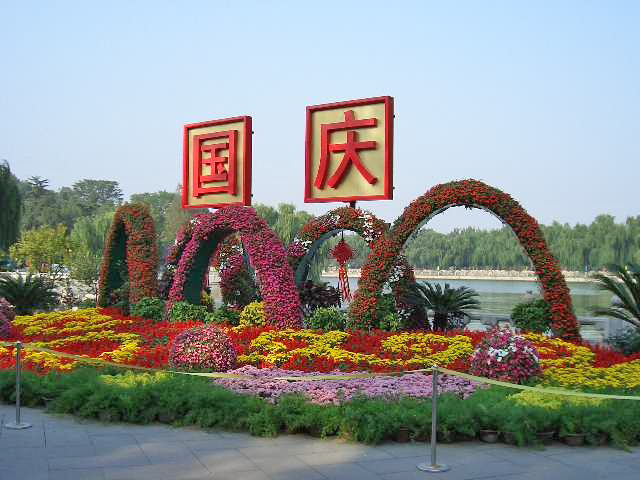 🇨🇳 Beijing, ChinaNational Day国庆节 (guóqìng jié)
China's national day on 1 October, marking the republic's founding in 1949Ceremony
🇨🇳 Beijing, ChinaNational Day国庆节 (guóqìng jié)
China's national day on 1 October, marking the republic's founding in 1949Ceremony
 🇨🇳 ChinaKowtow叩頭
A traditional Chinese prostration of deep respect by kneeling and bowing to the groundEtiquette
🇨🇳 ChinaKowtow叩頭
A traditional Chinese prostration of deep respect by kneeling and bowing to the groundEtiquette
 🇨🇳 Yulin, ChinaYulin Dog Meat Festival狗肉节
A ten-day June festival in Yulin, China, where dog meat is eaten with lycheesFestival · Feasts and festival meals
🇵🇬 Papua New Guinea and 5 moreCouvade
Childbirth rituals where fathers take to bed and mimic the labor of childbirthRite of passage
🇨🇳 Yulin, ChinaYulin Dog Meat Festival狗肉节
A ten-day June festival in Yulin, China, where dog meat is eaten with lycheesFestival · Feasts and festival meals
🇵🇬 Papua New Guinea and 5 moreCouvade
Childbirth rituals where fathers take to bed and mimic the labor of childbirthRite of passage
 🇹🇷 Van, Turkey and 5 moreChildren's Day
An international observance supporting youth welfare, education and children's rightsCeremony
🇹🇷 Van, Turkey and 5 moreChildren's Day
An international observance supporting youth welfare, education and children's rightsCeremony
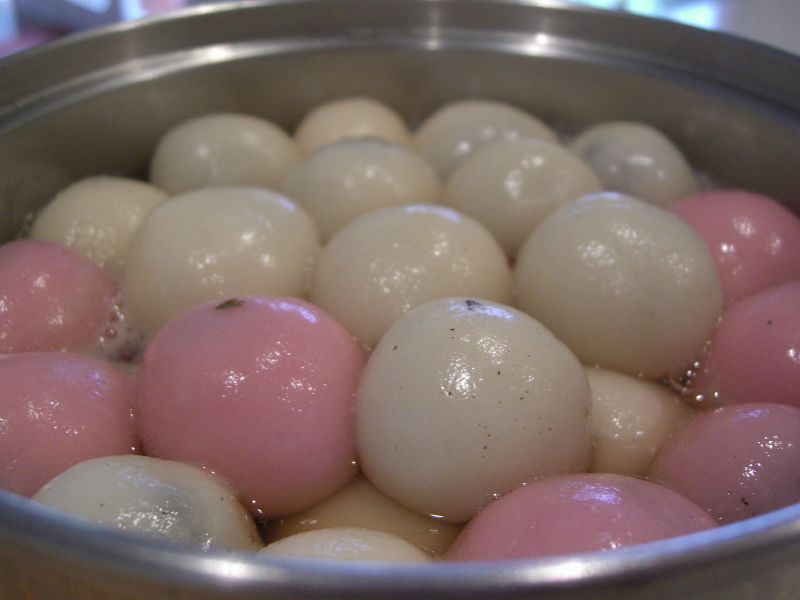 🇨🇳 Suzhou, China and 4 moreDongzhi Festival冬至
A winter solstice festival of family reunions, ancestor rites and sweet rice ballsSeasonal · Dinner
🇨🇳 Suzhou, China and 4 moreDongzhi Festival冬至
A winter solstice festival of family reunions, ancestor rites and sweet rice ballsSeasonal · Dinner
 🇯🇵 Japan and 5 moreHouse
A traditional children's make-believe game of acting out domestic family rolesGame
🇯🇵 Japan and 5 moreHouse
A traditional children's make-believe game of acting out domestic family rolesGame
 🇹🇼 Taipei, Taiwan and 1 moreRetrocession Day臺灣光復節 / 台湾光复节 (Táiwān guāngfùjié)
A public holiday on 25 October marking the end of Japanese rule in Taiwan in 1945Ceremony
🇹🇼 Taipei, Taiwan and 1 moreRetrocession Day臺灣光復節 / 台湾光复节 (Táiwān guāngfùjié)
A public holiday on 25 October marking the end of Japanese rule in Taiwan in 1945Ceremony
 🇨🇳 China and 1 moreDajiao打醮
An annual Taoist ritual and festival seeking peace and safety for the communitySpiritual · Feasts and festival meals
🇨🇳 China and 1 moreDajiao打醮
An annual Taoist ritual and festival seeking peace and safety for the communitySpiritual · Feasts and festival meals
 🇨🇳 ChinaQizhuang旗裝 (qízhuāng)
The traditional attire of the Manchu people, characterized by riding coats, trousers, and horse-hoof cuffs.Dress
🇨🇳 ChinaQizhuang旗裝 (qízhuāng)
The traditional attire of the Manchu people, characterized by riding coats, trousers, and horse-hoof cuffs.Dress
 🇨🇳 Shanghai, ChinaSeal carving篆刻
The Chinese craft of engraving characters and personal emblems into stone stamping sealsCraft
🇨🇳 Taiyuan, ChinaGuan Li冠禮
The traditional Chinese coming-of-age capping ceremony for young menRite of passage
🇨🇳 Shanghai, ChinaSeal carving篆刻
The Chinese craft of engraving characters and personal emblems into stone stamping sealsCraft
🇨🇳 Taiyuan, ChinaGuan Li冠禮
The traditional Chinese coming-of-age capping ceremony for young menRite of passage
 🇨🇳 Beijing, ChinaZangfu脏腑
A traditional Chinese model of internal organs as paired networks of energy and functionFolklore
🇨🇳 Beijing, ChinaZangfu脏腑
A traditional Chinese model of internal organs as paired networks of energy and functionFolklore
 🇯🇵 Kyoto, Japan and 5 moreTeeth blackening
A custom of dyeing teeth black to mark adulthood and beauty in parts of Asia and Oceania.Rite of passage
🇨🇳 Beijing, ChinaZangfu臟腑 (simplified 脏腑; zàngfǔ)
A Chinese medicine view of organs as networks of qi, blood and five phasesFolklore
🇨🇳 ChinaSymbolic stars神煞
Helpful and harmful influences read from the Chinese calendar's stems and branchesFolklore
🇯🇵 Kyoto, Japan and 5 moreTeeth blackening
A custom of dyeing teeth black to mark adulthood and beauty in parts of Asia and Oceania.Rite of passage
🇨🇳 Beijing, ChinaZangfu臟腑 (simplified 脏腑; zàngfǔ)
A Chinese medicine view of organs as networks of qi, blood and five phasesFolklore
🇨🇳 ChinaSymbolic stars神煞
Helpful and harmful influences read from the Chinese calendar's stems and branchesFolklore
 🇷🇺 Russia and 1 moreBride-showсмотр невест
A court custom in which emperors and tsars chose a wife from young women brought before themCeremony
🇷🇺 Russia and 1 moreBride-showсмотр невест
A court custom in which emperors and tsars chose a wife from young women brought before themCeremony
 🇨🇳 China and 3 moreBuddhist initiation受戒
A public ceremony where a lay follower takes refuge in the Triple Gem and accepts moral precepts.Spiritual
🇨🇳 China and 3 moreBuddhist initiation受戒
A public ceremony where a lay follower takes refuge in the Triple Gem and accepts moral precepts.Spiritual
 🇨🇳 Ziyang, China and 1 moreThree Corpses三尸
A Daoist belief in three inner parasites that cause illness and cut life shortFolklore
🇨🇳 Ziyang, China and 1 moreThree Corpses三尸
A Daoist belief in three inner parasites that cause illness and cut life shortFolklore
 🇨🇳 Luoyang, China and 1 moreYin and yang陰陽
Two opposite but complementary forces that Chinese thought sees in all thingsFolklore
🇨🇳 Luoyang, China and 1 moreYin and yang陰陽
Two opposite but complementary forces that Chinese thought sees in all thingsFolklore
 🇨🇳 ChinaXifu戏服
The stage dress of Chinese opera, its colour and pattern telling rank, sex and characterDress
🇨🇳 ChinaXifu戏服
The stage dress of Chinese opera, its colour and pattern telling rank, sex and characterDress
 🇨🇳 China and 1 moreDahu褡护 (Dāhù)
A cross-collar jacket worn in the Ming dynasty, blending Chinese and Mongol styles.Dress
🇨🇳 China and 1 moreDahu褡护 (Dāhù)
A cross-collar jacket worn in the Ming dynasty, blending Chinese and Mongol styles.Dress
 🇨🇳 Xi'an, ChinaXi'an guyue西安鼓乐
Ritual wind and percussion music from Xi'an, played sitting or walkingPerformance
🇨🇳 Xi'an, ChinaXi'an guyue西安鼓乐
Ritual wind and percussion music from Xi'an, played sitting or walkingPerformance
 🇨🇳 ChinaManchu platform shoes
Wooden-soled shoes worn by Manchu women from the early Qing dynastyDress
🇨🇳 ChinaManchu platform shoes
Wooden-soled shoes worn by Manchu women from the early Qing dynastyDress
 🇨🇳 ChinaMamianqun馬面裙 (马面裙)
A Chinese wrap skirt with flat front and back panels, worn over trousers with a jacketDress
🇨🇳 ChinaMamianqun馬面裙 (马面裙)
A Chinese wrap skirt with flat front and back panels, worn over trousers with a jacketDress
 🇨🇳 ChinaSankeng三坑
Chinese slang for three dress styles young fans wear, and the money they takeDress
🇨🇳 ChinaSankeng三坑
Chinese slang for three dress styles young fans wear, and the money they takeDress
 🇨🇳 ChinaChinese academic dress
Formal attire for scholars and officials in China, ranging from imperial robes to modern degree gowns.Dress
🇨🇳 ChinaChinese academic dress
Formal attire for scholars and officials in China, ranging from imperial robes to modern degree gowns.Dress
 🇨🇳 Dunhuang, China and 2 moreYingluo璎珞
A ring-shaped Buddhist neck ornament that became a Chinese necklace, worn again todayDress
🇨🇳 Tianjin, China and 1 moreBa-zha八蜡
An old Chinese harvest rite of eight offerings, later a guardian against locustsSpiritual
🇨🇳 Dunhuang, China and 2 moreYingluo璎珞
A ring-shaped Buddhist neck ornament that became a Chinese necklace, worn again todayDress
🇨🇳 Tianjin, China and 1 moreBa-zha八蜡
An old Chinese harvest rite of eight offerings, later a guardian against locustsSpiritual
 🇨🇳 China and 5 moreLife release放生
A Buddhist practice of freeing captive animals to spare their lives and gain meritSpiritual
🇨🇳 China and 5 moreLife release放生
A Buddhist practice of freeing captive animals to spare their lives and gain meritSpiritual
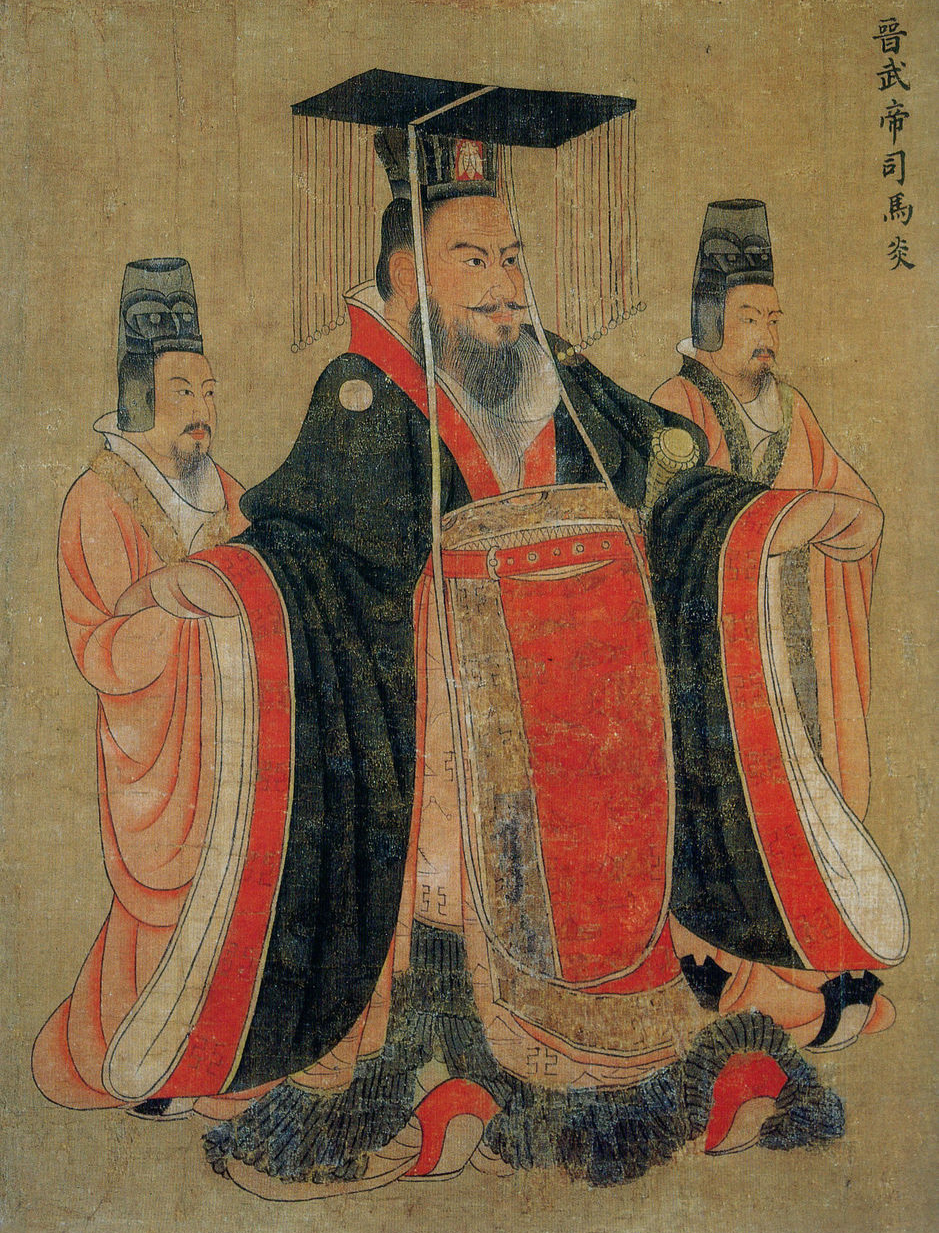 🇨🇳 Zhongshan, ChinaChinese clothing
Robes, gowns, and suits shaped across dynasties, ranks, and daily life in ChinaDress
🇨🇳 Zhongshan, ChinaChinese clothing
Robes, gowns, and suits shaped across dynasties, ranks, and daily life in ChinaDress
 🇨🇳 Nanjing, ChinaYunjin brocade雲錦
A traditional Chinese silk brocade woven with coloured silk, gold and silverCraft
🇨🇳 Nanjing, ChinaYunjin brocade雲錦
A traditional Chinese silk brocade woven with coloured silk, gold and silverCraft
 🇨🇳 China and 1 moreChinese patchwork
A needlework craft joining fabric scraps into protective clothing, quilts and folk artCraft
🇨🇳 China and 1 moreChinese patchwork
A needlework craft joining fabric scraps into protective clothing, quilts and folk artCraft
 🇨🇳 Quanzhou, China and 5 moreNanguan南管
An introspective chamber music tradition from southern Fujian and Taiwan.Performance
🇨🇳 Quanzhou, China and 5 moreNanguan南管
An introspective chamber music tradition from southern Fujian and Taiwan.Performance
 🇨🇳 ChinaTraditional Chinese wedding dress
The ceremonial bridal garments worn in Han Chinese marriage ceremoniesDress
🇨🇳 ChinaTraditional Chinese wedding dress
The ceremonial bridal garments worn in Han Chinese marriage ceremoniesDress
 🇮🇳 India and 2 moreKasayaकाषाय
The traditional patchwork robes worn by ordained Buddhist monasticsDress
🇨🇳 Beijing, ChinaZangfu脏腑
The traditional Chinese medical model of interconnected organ networks and vital energyFolklore
🇨🇳 ChinaTui na推拿
A traditional Chinese hands-on therapy using pushing, grasping, and acupressure pointsFolklore
🇨🇳 China and 2 moreJi Li笄禮
The traditional Chinese coming-of-age hairpin ceremony for young womenRite of passage
🇮🇳 India and 2 moreKasayaकाषाय
The traditional patchwork robes worn by ordained Buddhist monasticsDress
🇨🇳 Beijing, ChinaZangfu脏腑
The traditional Chinese medical model of interconnected organ networks and vital energyFolklore
🇨🇳 ChinaTui na推拿
A traditional Chinese hands-on therapy using pushing, grasping, and acupressure pointsFolklore
🇨🇳 China and 2 moreJi Li笄禮
The traditional Chinese coming-of-age hairpin ceremony for young womenRite of passage
 🇨🇳 China and 1 moreFive Grains五穀
A sacred grouping of staple crops honoured as the bedrock of East Asian civilizationFolklore
🇨🇳 China and 1 moreFive Grains五穀
A sacred grouping of staple crops honoured as the bedrock of East Asian civilizationFolklore
 🇨🇳 Huizhou, ChinaHui-style architecture
A traditional Chinese building style of white walls, dark tiles and horse-head gablesCraft
🇨🇳 ChinaSanfutie三伏贴
A seasonal Chinese medicine practice applying herbal patches during peak summer heatSeasonal
🇨🇳 Huizhou, ChinaHui-style architecture
A traditional Chinese building style of white walls, dark tiles and horse-head gablesCraft
🇨🇳 ChinaSanfutie三伏贴
A seasonal Chinese medicine practice applying herbal patches during peak summer heatSeasonal
 🇬🇧 United Kingdom and 5 moreBridesmaid
The companions and attendants who support a bride during a weddingRite of passage
🇬🇧 United Kingdom and 5 moreBridesmaid
The companions and attendants who support a bride during a weddingRite of passage
 🇨🇳 ChinaEighteen Songs of a Nomad Flute胡笳十八拍
A Chinese song and poetry cycle telling the story and sorrow of Cai WenjiPerformance
🇨🇳 China and 1 moreRed Thread of Fate姻緣紅線
An East Asian belief in an invisible cord binding two people destined for marriageFolklore
🇨🇳 ChinaEighteen Songs of a Nomad Flute胡笳十八拍
A Chinese song and poetry cycle telling the story and sorrow of Cai WenjiPerformance
🇨🇳 China and 1 moreRed Thread of Fate姻緣紅線
An East Asian belief in an invisible cord binding two people destined for marriageFolklore
Photo credits on this page
The small pictures above come from Wikimedia Commons under free licences. Some are cropped to fit.
- Five Grains: Kurt Stüber [1], CC BY-SA 3.0, source
- Dongzhi Festival: Alpha, CC BY-SA 2.0, source
- Hui-style architecture: Huangchenhai, CC BY-SA 4.0, source
- Bridesmaid: Photographer not credited; relative or work for hire of relative., CC BY-SA 4.0, source
- Eighteen Songs of a Nomad Flute: Copy painting in Ming era, Public domain, source
- Chinese academic dress: Ren Renfa, Public domain, source
- Buddhist initiation: ScooterSponson, CC BY-SA 4.0, source
- Dahu: Gary Todd, CC0, source
- Sankeng: Yumeto, CC BY-SA 4.0, source
- Bride-show: Publisher: Χρωμολιθογραφείον Ε. Λοβέρδου & Γ. Γρύσπου (1893-ca. 1914), Public domain, source
- Zangfu: Foristslow, CC BY 4.0, source
- Xi'an guyue: Liuxingy, CC BY-SA 4.0, source
- Life release: Wonderlane, CC BY 2.0, source
- Xifu: Walter Lim, CC BY 2.0, source
- Yin and yang: Klem, Public domain, source
- Singles' Day: Chrionexfleckeri1350, CC BY-SA 4.0, source
- Yingluo: Unknown author, CC0, source
- National Day: me ( w:User:pfctdayelise ), CC BY-SA 2.5, source
- Yulin Dog Meat Festival: Maria Ly, CC BY 2.0, source
- Three Corpses: Michał Boym, Public domain, source
- Retrocession Day: Unknown author, Public domain, source
- Mamianqun: Bilale Boyce, CC BY-SA 4.0, source
- Manchu platform shoes: Daderot, Public domain, source
- Knucklebones: Jean-Baptiste-Siméon Chardin, Public domain, source
- Kowtow: Gary Todd, CC0, source
- Children's Day: Schekinov Alexey Victorovich, CC BY-SA 3.0, source
- House: Alborzagros, CC BY-SA 3.0, source
- Dajiao: 29cm, CC BY-SA 2.0, source
- Qizhuang: Internet Archive Book Images, No restrictions, source
- Teeth blackening: momo, CC BY 2.0, source
- Seal carving: Cyclohexane233, CC BY-SA 4.0, source
- Chinese clothing: Yan Li-pen, Public domain, source
- Yunjin brocade: Dr. Meierhofer, CC BY-SA 3.0, source
- Nanguan: Jnzl's Public Domain Photos, Public domain, source
- Chinese patchwork: Unknown author, CC0, source
- Traditional Chinese wedding dress: Tunere, CC BY-SA 4.0, source
- Kasaya: Unknown author, Public domain, source