🇯🇵 Traditions of Japan
146 traditions from Japan, best known first, across 59 cities and towns.
Japanese life rests on a blend of ancient island customs and steady foreign exchange. People mark time through seasonal meals centered on rice and fresh seafood, while household shrines and temple visits weave spiritual practice into daily routines. The most striking feature is how older forms adapt quietly alongside modern habits, keeping old rhythms alive in new settings.
To understand Japan is to watch layers settle over one another. Island communities once farmed rice and gathered forest offerings, then absorbed writing systems and religious teachings from the continent. Later centuries brought long isolation followed by rapid modernization. Today those strands sit side by side. Families tend quiet altars, share simple bowls of soup and grain, and navigate city streets where traditional crafts meet digital screens. Each day carries echoes of older seasons.
Faith and household rites
Spiritual life in Japan rests on two main paths. Many families keep small home altars that hold photographs and simple tokens, while others visit local temples or shrine grounds throughout the year. Statistics show a majority identify with Buddhist practices, and roughly a quarter participate in Shinto observances. A smaller number follow Christian, Muslim, or Jewish traditions, often within immigrant neighborhoods. State sponsored worship ended after the war, leaving room for personal choice. Communities still gather at neighborhood shrines during autumn months to honor ancestors and thank the land. These quiet visits connect people to older generations without demanding strict doctrine.
Seasonal meals and cooking
Meals revolve around steamed rice, clear broth, and dishes that highlight the current season. Cooks prepare pickled vegetables, egg rolls, and simmered fish or beef to accompany the grain. Raw slices of fresh catch appear frequently, along with lightly battered fried items and thick wheat noodles. Historically, Buddhist teachings kept meat off most plates for centuries. That changed during modernization when animal proteins entered public menus. Early preservation methods turned salted fish and rice into fermented delicacies before chefs developed quick hand pressed versions. Traditional cooking avoids heavy oils and strong spices, relying instead on subtle herbs like peppery leaves to lift the flavor of plain grains and clean broths.
Language and written forms
Communication relies on a single national tongue that uses a distinct rising and falling pitch pattern. Writers combine three separate systems on one page. Meaning-bearing symbols borrowed from China carry deep concepts, while two phonetic alphabets handle grammar particles and native words. One script emerged informally among women centuries ago, and the other served formal purposes before both became standard. Foreign terms enter the vocabulary regularly, sometimes reshaped to fit local pronunciation. Numbers appear in Arabic form or traditional characters depending on context. The written word acts as a bridge between ancient records and modern signage, adapting steadily without losing its layered structure.
Modern customs and habits
Society moved through long periods of separation before opening trade routes with distant nations. Leaders adopted foreign customs to build new institutions, which eventually sparked widespread social changes. Art and literature once served imperial goals until democratic reforms restored personal freedoms. Modern neighborhoods now host convenience stores and animated stories that reach audiences worldwide. Older crafts and seasonal rhythms persist alongside these new habits. People balance quiet domestic routines with participation in a highly connected global scene. The result is a steady flow where inherited practices adjust to contemporary needs rather than fading away.
The facts in this overview come from the Wikipedia article "Culture of Japan", written by its contributors and used under the CC BY-SA 4.0 licence. EveryParampara rewrote the text in its own words, with AI assistance, and compares every page with the article to make sure no passage is copied. It may be reused under the same CC BY-SA 4.0 licence with a link back.
The table in Japan
Foods and drinks by the moment they belong to.
Cities, towns and villages of Japan
 🇮🇪 Ireland and 5 moreHalloween
An annual observance on 31 October marking the eve of All Saints' Day, rooted in Christian tradition and Celtic heritageFestival · Sweets given and shared
🇮🇪 Ireland and 5 moreHalloween
An annual observance on 31 October marking the eve of All Saints' Day, rooted in Christian tradition and Celtic heritageFestival · Sweets given and shared
 🇯🇵 JapanOmamori御守 (omamori)
Japanese protective amulets sold at shrines and temples for luck and safety.Spiritual
🇯🇵 JapanOmamori御守 (omamori)
Japanese protective amulets sold at shrines and temples for luck and safety.Spiritual
 🇯🇵 Kishiwada, JapanKishiwada Danjiri Matsuri岸和田だんじり祭
A high-speed festival of wooden shrine floats pulled through Kishiwada, JapanFestival
🇯🇵 Kishiwada, JapanKishiwada Danjiri Matsuri岸和田だんじり祭
A high-speed festival of wooden shrine floats pulled through Kishiwada, JapanFestival
 🇯🇵 Kyoto, JapanTorii鳥居
A traditional Japanese gate marking the entrance to a Shinto shrine and separating the sacred from the mundane.Spiritual
🇯🇵 Kyoto, JapanTorii鳥居
A traditional Japanese gate marking the entrance to a Shinto shrine and separating the sacred from the mundane.Spiritual
 🇯🇵 Japan and 2 moreKyūdō弓道
The Japanese martial art of archery, practiced with an asymmetrical longbowGame
🇯🇵 Japan and 2 moreKyūdō弓道
The Japanese martial art of archery, practiced with an asymmetrical longbowGame
 🇯🇵 JapanOmikujiおみくじ
Paper fortunes drawn at Japanese shrines and temples to consult divine guidanceSpiritual
🇯🇵 JapanOmikujiおみくじ
Paper fortunes drawn at Japanese shrines and temples to consult divine guidanceSpiritual
 🇯🇵 JapanJichinsai地鎮祭
A Shinto ritual to ask the land spirits for protection before building a new home or structure.Spiritual
🇯🇵 JapanJichinsai地鎮祭
A Shinto ritual to ask the land spirits for protection before building a new home or structure.Spiritual
 🇯🇵 JapanPindapata𑀧𑀺𑀡𑁆𑀟𑀘𑀸𑀭
A Buddhist almsround where monks walk through towns to receive food and necessities from laypeople.Spiritual
🇯🇵 JapanPindapata𑀧𑀺𑀡𑁆𑀟𑀘𑀸𑀭
A Buddhist almsround where monks walk through towns to receive food and necessities from laypeople.Spiritual
 🇯🇵 JapanEma絵馬
Small wooden plaques left at Japanese shrines and temples for prayers and wishes.Spiritual
🇯🇵 JapanEma絵馬
Small wooden plaques left at Japanese shrines and temples for prayers and wishes.Spiritual
 🇯🇵 JapanMiko巫女
A woman who serves at a Shinto shrine, dancing, cleansing and helping with ritesSpiritual
🇯🇵 JapanMiko巫女
A woman who serves at a Shinto shrine, dancing, cleansing and helping with ritesSpiritual
 🇮🇳 India and 4 moreWater lantern
Small lamps floated on water to honour the dead and ask for good fortuneFestival
🇮🇳 India and 4 moreWater lantern
Small lamps floated on water to honour the dead and ask for good fortuneFestival
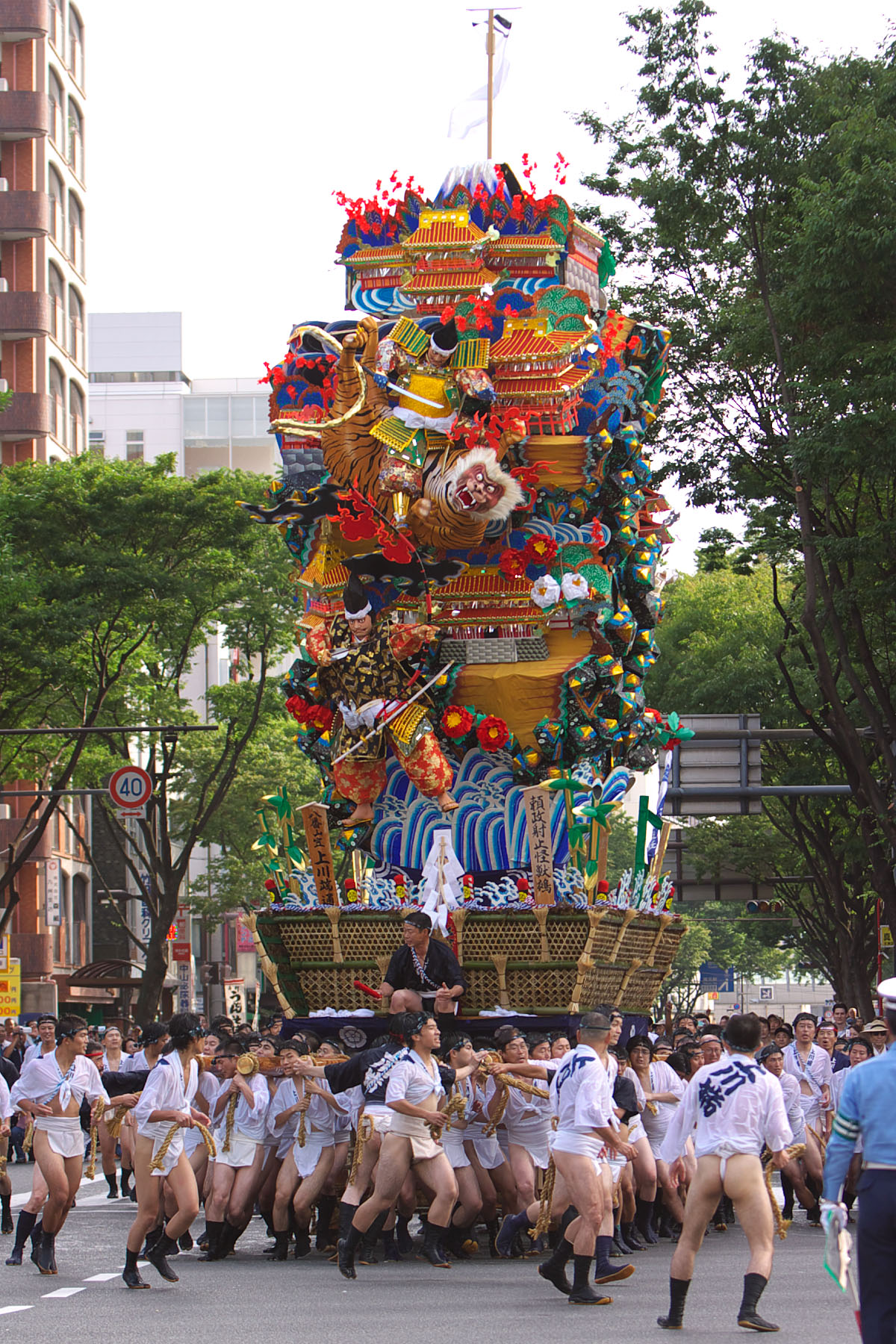 🇯🇵 Fukuoka, JapanHakata Gion Yamakasa博多祇園山笠
A July festival in Fukuoka featuring heavy float races through the streets of Hakata.Festival
🇯🇵 Fukuoka, JapanHakata Gion Yamakasa博多祇園山笠
A July festival in Fukuoka featuring heavy float races through the streets of Hakata.Festival
 🇮🇳 India and 5 morePretaप्रेत
Offerings and rites for spirits enduring deep hunger across Asian traditions.Spiritual
🇮🇳 India and 5 morePretaप्रेत
Offerings and rites for spirits enduring deep hunger across Asian traditions.Spiritual
 🇪🇬 Egypt and 5 moreTraditional tattooing
The ancient custom of marking the skin for protection, healing, status and sacred ritesDress
🇪🇬 Egypt and 5 moreTraditional tattooing
The ancient custom of marking the skin for protection, healing, status and sacred ritesDress
 🇮🇳 India and 6 moreBuddha's Birthday佛诞
A festival marking the birth of Siddhartha Gautama, observed across Asia with temple rituals and community gatherings.Spiritual
🇮🇳 India and 6 moreBuddha's Birthday佛诞
A festival marking the birth of Siddhartha Gautama, observed across Asia with temple rituals and community gatherings.Spiritual
 🇺🇸 United States and 5 moreRite of passage
A ceremony that marks leaving one group and entering another, with a new statusRite of passage
🇺🇸 United States and 5 moreRite of passage
A ceremony that marks leaving one group and entering another, with a new statusRite of passage
 🇮🇪 Ireland and 2 moreWake
A gathering before a funeral, where family and friends keep watch over the deadRite of passage
🇮🇪 Ireland and 2 moreWake
A gathering before a funeral, where family and friends keep watch over the deadRite of passage
 🇯🇵 Tokyo, JapanShichi-Go-San七五三
A Japanese festival celebrating the growth of three-year-old girls, five-year-old boys, and seven-year-old girls.Rite of passage
🇯🇵 Tokyo, JapanShichi-Go-San七五三
A Japanese festival celebrating the growth of three-year-old girls, five-year-old boys, and seven-year-old girls.Rite of passage
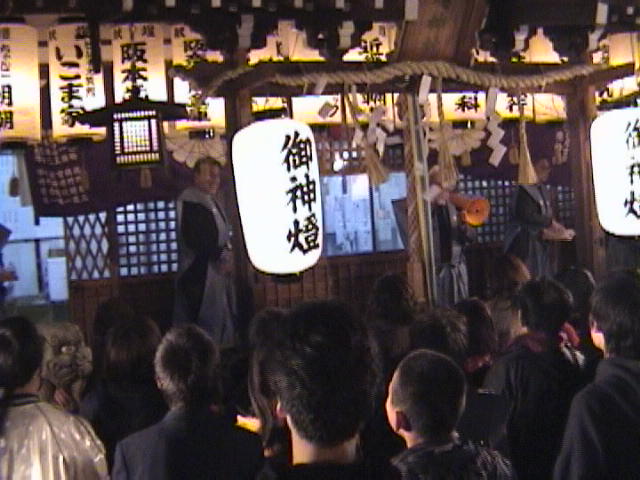 🇯🇵 Tokyo, JapanSetsubun節分
A Japanese ritual of throwing roasted soybeans to banish evil spirits and welcome spring.Festival · Feasts and festival meals
🇯🇵 Tokyo, JapanSetsubun節分
A Japanese ritual of throwing roasted soybeans to banish evil spirits and welcome spring.Festival · Feasts and festival meals
 🇯🇵 Tokyo, JapanHatsumōde初詣
The first shrine or temple visit of the Japanese New Year to pray for good fortuneSpiritual
🇯🇵 Tokyo, JapanHatsumōde初詣
The first shrine or temple visit of the Japanese New Year to pray for good fortuneSpiritual
 🇯🇵 JapanHadaka Matsuri裸祭り
Japanese festivals where participants clad in loincloths seek luck and purificationSpiritual
🇯🇵 JapanHadaka Matsuri裸祭り
Japanese festivals where participants clad in loincloths seek luck and purificationSpiritual
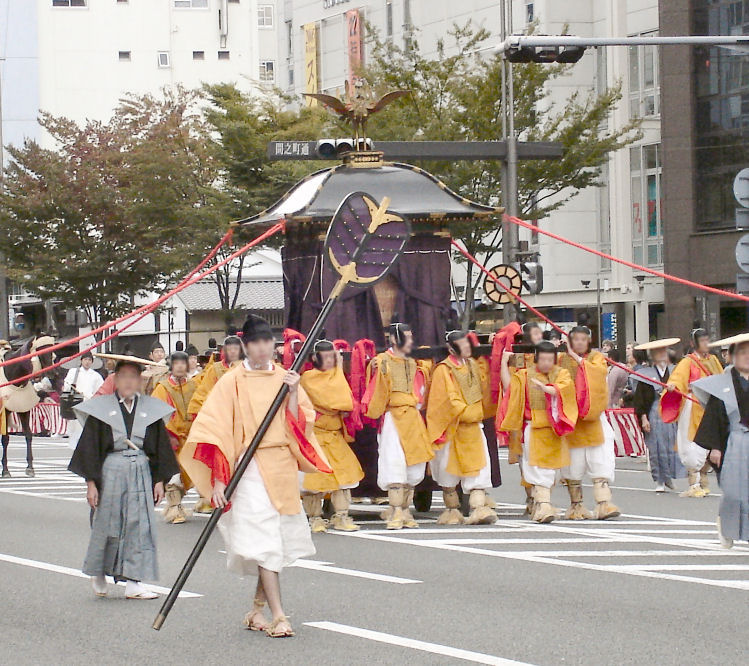 🇯🇵 Kyoto, JapanJidai Matsuri時代祭
An autumn costume procession celebrating Kyoto's imperial heritage and historyFestival
🇯🇵 Kyoto, JapanJidai Matsuri時代祭
An autumn costume procession celebrating Kyoto's imperial heritage and historyFestival
 🇯🇵 Osaka, JapanTsukimi月見 (Tsukimi) / お月見 (Otsukimi)
A Japanese autumn festival honoring the harvest moon with seasonal foods and pampas grass decorations.Festival · Dinner
🇯🇵 Osaka, JapanTsukimi月見 (Tsukimi) / お月見 (Otsukimi)
A Japanese autumn festival honoring the harvest moon with seasonal foods and pampas grass decorations.Festival · Dinner
 🇯🇵 JapanBowing in Japanお辞儀
The Japanese bow, used to greet, thank, apologise and show respectEtiquette
🇯🇵 JapanBowing in Japanお辞儀
The Japanese bow, used to greet, thank, apologise and show respectEtiquette
 🇯🇵 Japan and 1 moreIomanteイオマンテ
An Ainu rite that sends a hand-raised bear cub's spirit home to the god-worldSpiritual
🇯🇵 Japan and 1 moreIomanteイオマンテ
An Ainu rite that sends a hand-raised bear cub's spirit home to the god-worldSpiritual
 🇯🇵 Tokyo, JapanDaijō-sai大嘗祭
The emperor's once-in-a-reign Shinto rite of thanks for the rice harvestSpiritual
🇯🇵 Tokyo, JapanDaijō-sai大嘗祭
The emperor's once-in-a-reign Shinto rite of thanks for the rice harvestSpiritual
 🇯🇵 JapanShikoku Pilgrimage四国遍路
A long circuit of 88 temples on Japan's Shikoku island, kept by pilgrims called henroSpiritual
🇯🇵 JapanShikoku Pilgrimage四国遍路
A long circuit of 88 temples on Japan's Shikoku island, kept by pilgrims called henroSpiritual
 🇯🇵 Tokyo, Japan and 5 moreTaiko太鼓 (taiko)
Japanese drums, and the ensemble style of playing themPerformance
🇯🇵 Tokyo, Japan and 5 moreTaiko太鼓 (taiko)
Japanese drums, and the ensemble style of playing themPerformance
 🇯🇵 Japan and 4 moreBodhi Day成道会
A Buddhist observance marking the enlightenment of Gautama Buddha under the Bodhi TreeSpiritual
🇯🇵 Japan and 4 moreBodhi Day成道会
A Buddhist observance marking the enlightenment of Gautama Buddha under the Bodhi TreeSpiritual
 🇯🇵 Kyoto, JapanAoi Matsuri葵祭
A classical Kyoto festival with an imperial procession and ancient shrine ritualsFestival
🇯🇵 Kyoto, JapanAoi Matsuri葵祭
A classical Kyoto festival with an imperial procession and ancient shrine ritualsFestival
 🇯🇵 Kyoto, JapanGion Matsuri祇園祭
A month-long Kyoto festival of grand floats, evening markets and purifying ritualsFestival
🇯🇵 Kyoto, JapanGion Matsuri祇園祭
A month-long Kyoto festival of grand floats, evening markets and purifying ritualsFestival
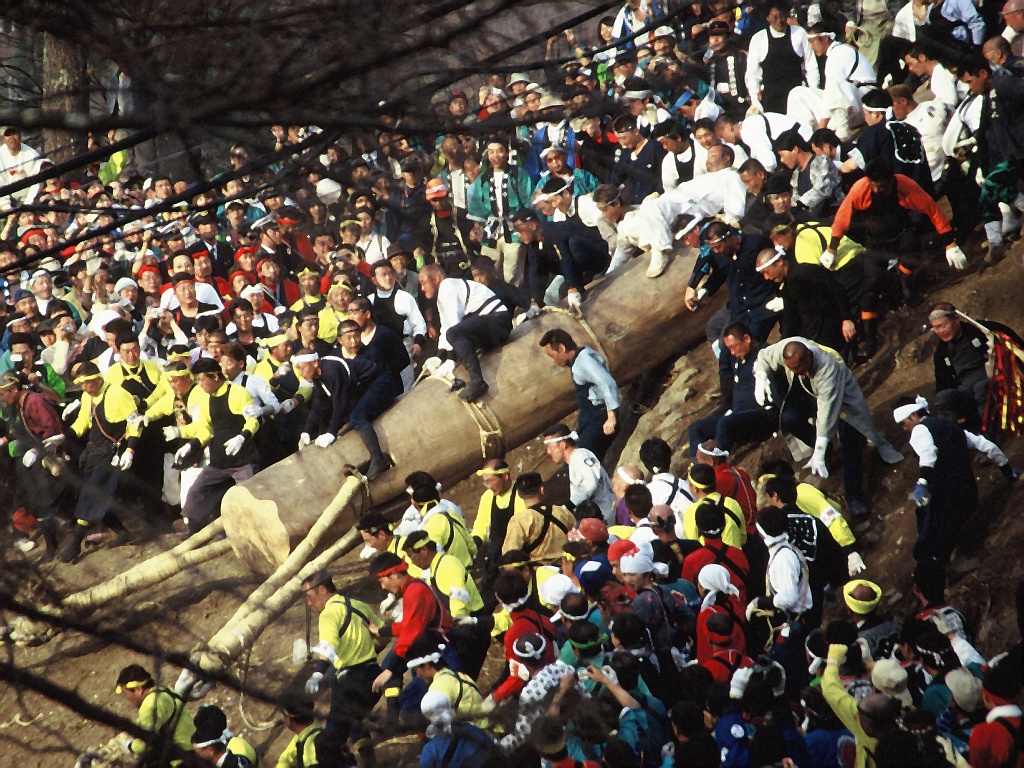 🇯🇵 Suwa, JapanOnbashira Festival式年造営御柱大祭
A rite in Nagano where massive fir logs are dragged down mountains and raised at shrinesSpiritual
🇯🇵 Suwa, JapanOnbashira Festival式年造営御柱大祭
A rite in Nagano where massive fir logs are dragged down mountains and raised at shrinesSpiritual
 🇯🇵 Tokushima, JapanAwa Dance Festival阿波踊り
A summer street dance festival held in Tokushima during the Buddhist season of ObonFestival
🇯🇵 Tokushima, JapanAwa Dance Festival阿波踊り
A summer street dance festival held in Tokushima during the Buddhist season of ObonFestival
 🇯🇵 JapanHigan彼岸
A Japanese Buddhist week of reflection and ancestor remembrance at the equinoxesSpiritual
🇯🇵 JapanHigan彼岸
A Japanese Buddhist week of reflection and ancestor remembrance at the equinoxesSpiritual
 🇯🇵 Osaka, JapanTenjin Matsuri天神祭
A major Shinto festival in Osaka featuring a street procession and a river boat parade on the Okawa River.Festival
🇯🇵 Osaka, JapanTenjin Matsuri天神祭
A major Shinto festival in Osaka featuring a street procession and a river boat parade on the Okawa River.Festival
 🇯🇵 Tokyo, JapanSanja Matsuri三社祭
A loud three-day Shinto festival in Tokyo honoring the founders of Sensō-ji temple.Festival
🇯🇵 Tokyo, JapanSanja Matsuri三社祭
A loud three-day Shinto festival in Tokyo honoring the founders of Sensō-ji temple.Festival
 🇯🇵 Chichibu, JapanChichibu Night Festival秩父夜祭
A December shrine gathering in Chichibu featuring historic Japanese festival floats.Festival
🇯🇵 Chichibu, JapanChichibu Night Festival秩父夜祭
A December shrine gathering in Chichibu featuring historic Japanese festival floats.Festival
 🇯🇵 Kyoto, JapanGozan no Okuribi五山送り火
Five giant bonfires lit across Kyoto's hills to bid farewell to ancestor spirits.Spiritual
🇯🇵 Kyoto, JapanGozan no Okuribi五山送り火
Five giant bonfires lit across Kyoto's hills to bid farewell to ancestor spirits.Spiritual
 🇯🇵 Tokyo, JapanKanda Matsuri神田祭
A major Shinto festival with massive parades through the streets of central TokyoFestival
🇯🇵 Tokyo, JapanKanda Matsuri神田祭
A major Shinto festival with massive parades through the streets of central TokyoFestival
 🇯🇵 Japan and 2 moreJoya no Kane除夜の鐘
A Japanese Buddhist New Year's Eve ritual where temple bells are struck to cleanse the year of worldly desires.Spiritual
🇯🇵 Japan and 2 moreJoya no Kane除夜の鐘
A Japanese Buddhist New Year's Eve ritual where temple bells are struck to cleanse the year of worldly desires.Spiritual
 🇯🇵 Tokyo, Japan and 3 moreObonお盆 (Obon)
A Japanese Buddhist festival honoring the spirits of ancestors through dance, light, and family reunion.Festival
🇯🇵 Tokyo, Japan and 3 moreObonお盆 (Obon)
A Japanese Buddhist festival honoring the spirits of ancestors through dance, light, and family reunion.Festival
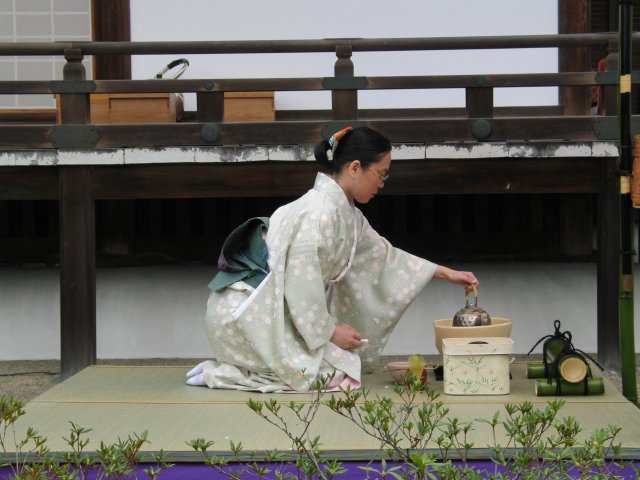 🇯🇵 Kyoto, JapanJapanese tea ceremony茶道 (Sadō / Chadō), 茶の湯 (Chanoyu)
The formal serving of powdered matcha, shaped by Zen, Shinto and wabiTable custom · Tea, coffee and drinking ceremonies
🇯🇵 Kyoto, JapanJapanese tea ceremony茶道 (Sadō / Chadō), 茶の湯 (Chanoyu)
The formal serving of powdered matcha, shaped by Zen, Shinto and wabiTable custom · Tea, coffee and drinking ceremonies
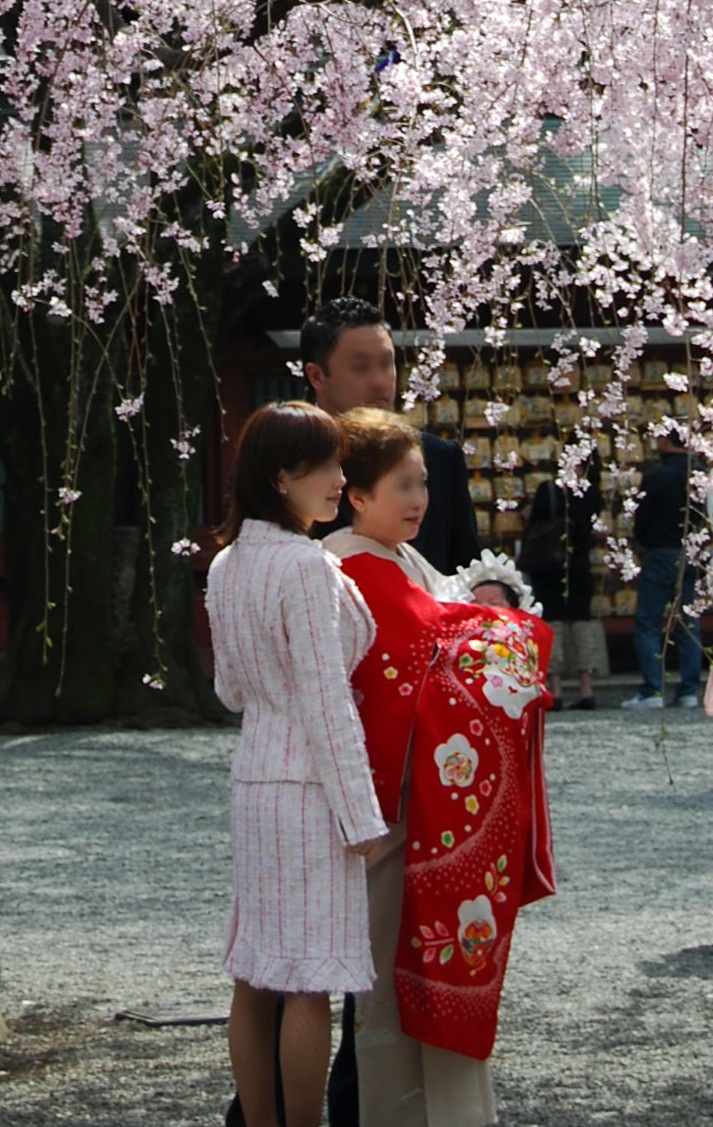 🇯🇵 JapanMiyamairi宮参り
A first visit to a Shinto shrine, about a month after a baby is bornRite of passage
🇯🇵 JapanMiyamairi宮参り
A first visit to a Shinto shrine, about a month after a baby is bornRite of passage
 🇯🇵 Hiroshima, JapanKagura神楽
A sacred Shinto dance tradition in Japan that invites deities to descend and perform through human dancers.Performance
🇯🇵 Hiroshima, JapanKagura神楽
A sacred Shinto dance tradition in Japan that invites deities to descend and perform through human dancers.Performance
 🇲🇳 Mongolia and 5 moreThroat singing
Several deep, guttural singing styles, each named and kept by its own peoplePerformance
🇲🇳 Mongolia and 5 moreThroat singing
Several deep, guttural singing styles, each named and kept by its own peoplePerformance
 🇯🇵 JapanJapanese funeral葬儀 (sōgi)
A Buddhist farewell in Japan: a wake, cremation, bone-gathering and a family graveRite of passage
🇯🇵 JapanJapanese funeral葬儀 (sōgi)
A Buddhist farewell in Japan: a wake, cremation, bone-gathering and a family graveRite of passage
 🇯🇲 Kingston, Jamaica and 5 moreReggae
A Jamaican music of the late 1960s: a slow beat, a deep bass line and Rastafari rootsPerformance
🇯🇲 Kingston, Jamaica and 5 moreReggae
A Jamaican music of the late 1960s: a slow beat, a deep bass line and Rastafari rootsPerformance
 🇯🇵 Tokyo, JapanShinto wedding神前結婚
A short purification ceremony before the kami, sealed by three cups of sakeRite of passage
🇯🇵 Tokyo, JapanShinto wedding神前結婚
A short purification ceremony before the kami, sealed by three cups of sakeRite of passage
Photo credits on this page
The small pictures above come from Wikimedia Commons under free licences. Some are cropped to fit.
- Jack-o'-lantern: Toby Ord, CC BY-SA 2.5, source
- Hatsumōde: KKPCW, CC BY-SA 4.0, source
- Kanda Matsuri: Jose Fernando, CC BY-SA 2.0, source
- Shikoku Pilgrimage: Dokudami, CC BY-SA 3.0, source
- Water lantern: 松岡明芳, CC BY-SA 4.0, source
- Shichi-Go-San: Bergmann at Japanese Wikipedia, CC BY 3.0, source
- Setsubun: Unknown author, CC BY-SA 3.0, source
- Bodhi Day: Shirazibustan, CC BY-SA 4.0, source
- Jidai Matsuri: PlusMinus, CC BY-SA 3.0, source
- Tsukimi: katorisi, CC BY 3.0, source
- Aoi Matsuri: Japanexperterna, CC BY-SA 3.0, source
- Miko: Chris Gladis, Flickr user MShades, CC BY 2.0, source
- Gion Matsuri: 江戸村のとくぞう, CC BY-SA 4.0, source
- Higan: Kakidai, CC BY-SA 4.0, source
- Tenjin Matsuri: 663highland, CC BY 2.5, source
- Sanja Matsuri: View_of_mikoshi_from_sensoji_Sanja_Matsuri_2006-2.jpg : * View_of_miko, CC BY-SA 3.0, source
- Chichibu Night Festival: ちちびあん, CC BY-SA 4.0, source
- Preta: Temple, Richard Carnac, Sir, Public domain, source
- Gozan no Okuribi: J_o, CC BY-SA 3.0, source
- Joya no Kane: Leung Ming Ho (Michael) (MHLeung), CC BY-SA 4.0, source
- Obon: Batholith, Public domain, source
- Traditional tattooing: Haa900, CC0, source
- Kishiwada Danjiri Matsuri: Kounosu, CC BY-SA 3.0, source
- Torii: JordyMeow, CC BY-SA 3.0, source
- Omikuji: C121749n, Public domain, source
- Kyūdō: Unknown author, Public domain, source
- Reggae: Thesupermat, CC BY-SA 3.0, source
- Daijō-sai: Abasaa, Public domain, source
- Jichinsai: ウィキ太郎(Wiki Taro), Public domain, source
- Pindapata: Suhendro winarso, CC BY-SA 4.0, source
- Ema: No machine-readable author provided. Fg2 assumed (based on copyright c, Public domain, source
- Taiko: Ohno.A, CC BY-SA 4.0, source
- Hakata Gion Yamakasa: Pontafon, CC BY-SA 3.0, source
- Omamori: Leongboy1, Public domain, source
- Iomante: Murase Yoshinori, Public domain, source
- Miyamairi: I (Sakura-saku-kuni) took this photograph., Public domain, source
- Kagura: Elstner Hilton, Public domain, source
- Japanese funeral: 夢の散歩, CC BY-SA 3.0, source
- Bowing in Japan: Maya-Anaïs Yataghène, CC BY 2.0, source
- Shinto wedding: Jakub Hałun, CC BY-SA 4.0, source
- Hadaka Matsuri: CES, CC BY-SA 3.0, source
- Buddha's Birthday: User: (WT-shared) Manoj nav at wts wikivoyage, Public domain, source
- Rite of passage: Rogier van der Weyden, Public domain, source
- Wake: Julio Romero de Torres, Public domain, source
- Onbashira Festival: Si-take. at Japanese Wikipedia, CC BY-SA 3.0, source
- Awa Dance Festival: Rosino, CC BY-SA 2.0, source
- Japanese tea ceremony: Photograph taken by Stephane D'Alu ( en:User:Sdalu ) in April 2004, CC BY-SA 3.0, source
- Throat singing: Bill Loewy, CC BY-SA 3.0, source